









PI-1 | كسارة الحجر الجيري المتنقلة

تُعد محطة التكسير المتنقلة CONSTMACH PI-1 حلاً مثالياً لتكسير المواد ذات الدرجة المنخفضة من الصلابة والكشط مثل الحجر الجيري. PI-1 هي نتاج تصميم وهندسة متقدمين، واستخدام مكونات عالية الجودة تتميز بعمر تشغيلي طويل وحرفية ممتازة.

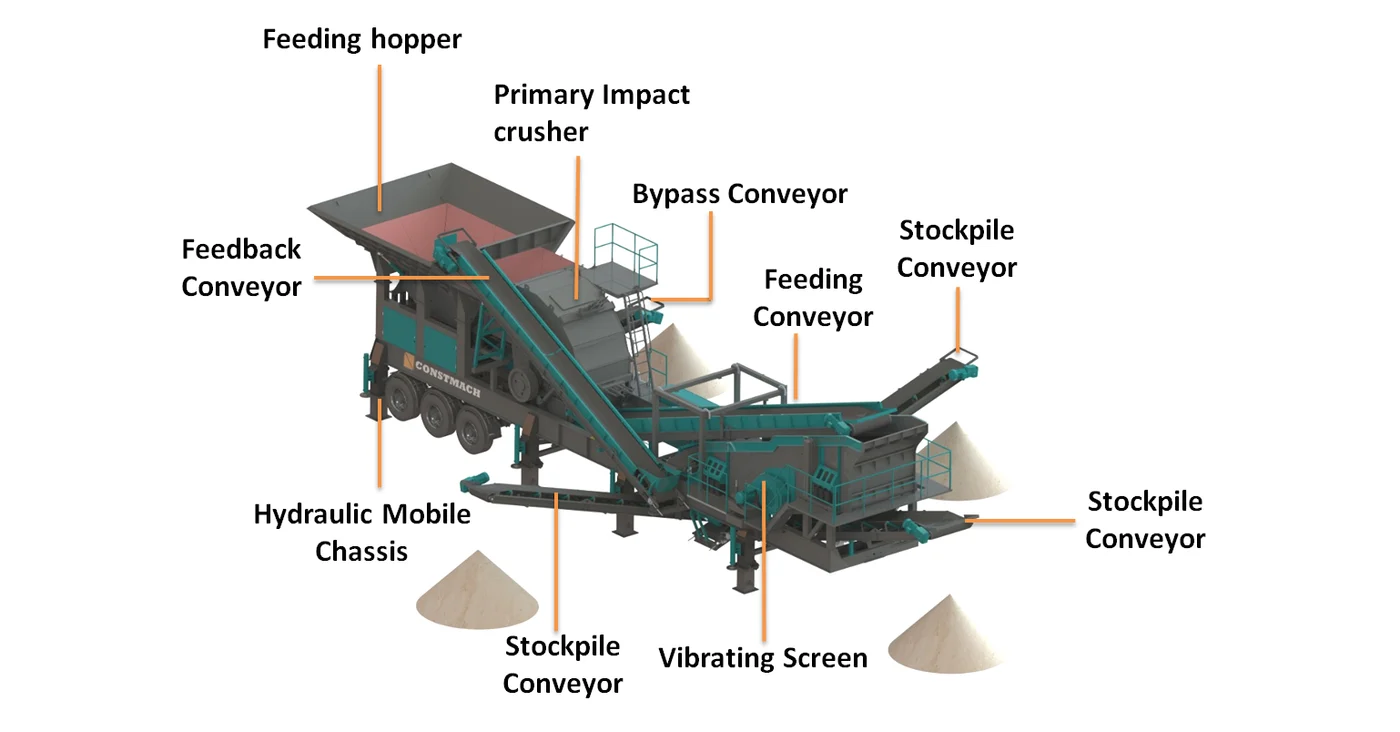
محطة التكسير والغربلة المتنقلة PI-1 هي مجموعة تتألف من:

كسارة الحجر الجيري المتنقلة PI-1
  • قادوس تغذية مع مغذٍّ اهتزازي
  • الكسارة الصدمية الأولية CPI-1412
  • ناقل تحويلي (لاستخراج التربة)
  • ناقل تغذية بين الكسارة الصدمية الأولية والغربال الاهتزازي
  • غربال اهتزازي بـ 3 أو 4 طبقات
  • ناقل إرجاع من الغربال الاهتزازي إلى الكسارة الصدمية
  • نواقل تكديس قابلة للطي
  • هيكل متنقل بعجلات مزوّد بأرجل هيدروليكية
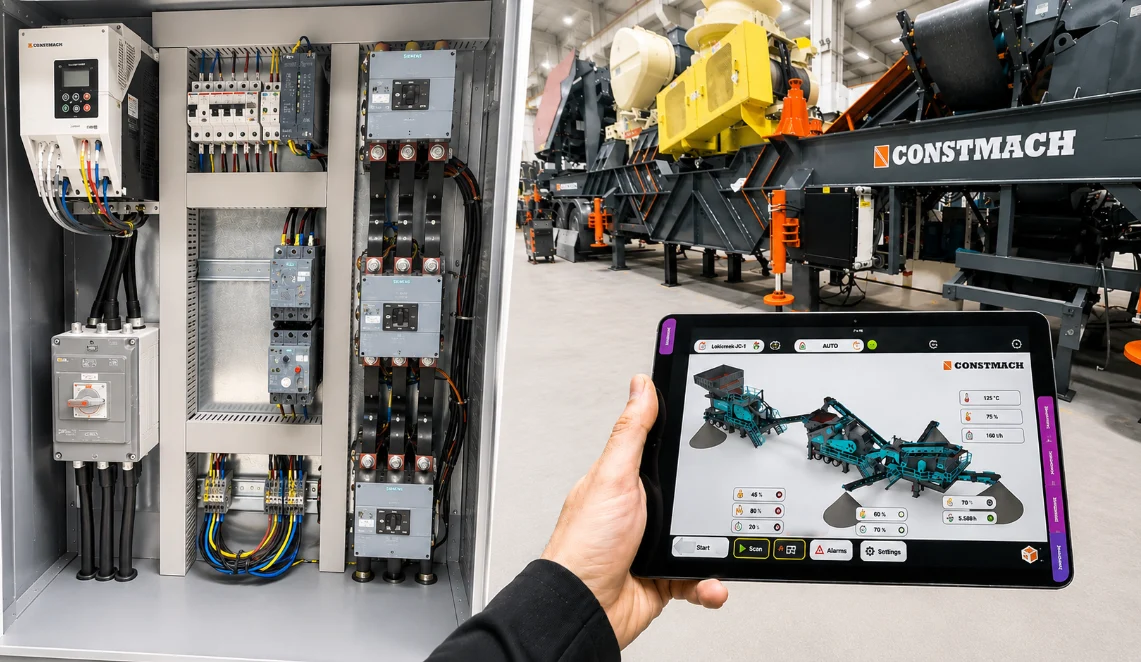
  • نظام أتمتة بوحدة PLC ووحدة تحكم عن بُعد
  • نظام إزالة الغبار
  • مجموعة مولد كهربائي بالديزل (تطبيق اختياري)

تتراوح القدرة الإنتاجية لكسارة الحجر الجيري المتنقلة PI-1 بين 150 و200 tph وفقاً لدرجة صلابة المادة المراد تكسيرها. الحد الأقصى لحجم التغذية هو 850 x 850 mm. بفضل التصميم الخاص للكسارة الصدمية الثانوية، تتميز المواد النهائية المنتجة بنسبة مُرضية من المواد الناعمة وكذلك بشكل مكعّبي ممتاز، وهو نتيجة مرغوبة خصوصاً في إنتاج الخرسانة. ومن الممكن الحصول على 3 أو 4 مقاسات مختلفة في الوقت نفسه.

عند الحاجة، من الممكن تركيب مولد كهربائي على هيكل المحطة.

تُعد محطة تكسير الحجر الجيري المتنقلة PI-1 مجموعة سهلة الاستخدام توفّر لمشغّليها خصائص تركيب/تجميع سهلة. ويمكن تشغيل المحطة في وقت قصير جداً. وعند الحاجة، يمكن تجهيز قادوس التغذية ونواقل التكديس بآلية فتح هيدروليكية، وفي هذه الحالة يمكن تشغيل المحطة دون الحاجة إلى أي معدات خارجية مثل الرافعة أو اللودر وغيرها.

كسارة الحجر الجيري المتنقلة PI-1

محطة التكسير المتنقلة PI-1 مجهزة بنظام أتمتة عالي التقنية يتضمن مكونات إلكترونية من الطراز الأول من علامتي SIEMENS – SCHNEIDER ووحدة PLC. ويتم تشغيل كسارة PI-1 المتنقلة عبر جهاز تحكم لوحي فقط.

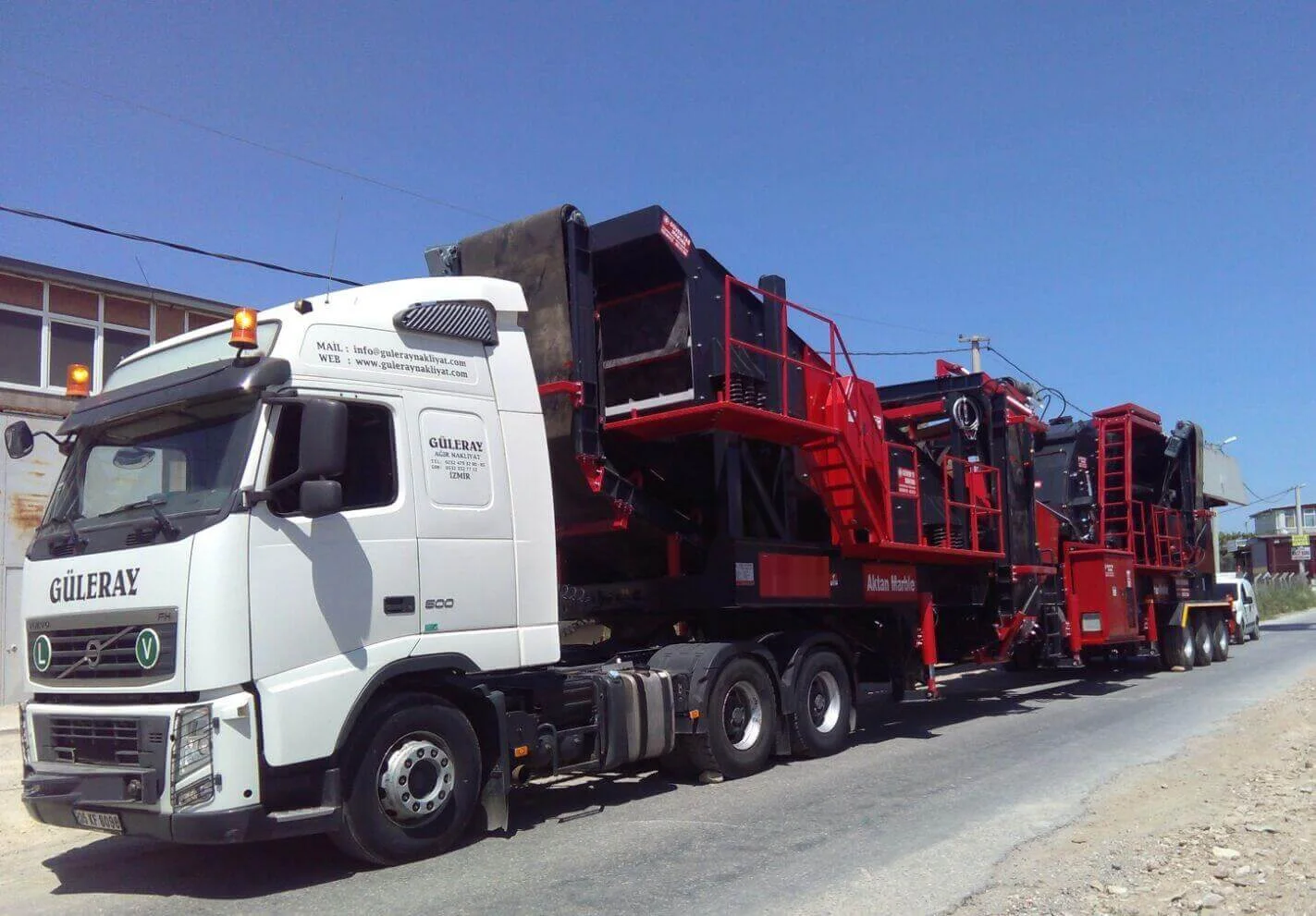
حُددت الأبعاد الإجمالية لمحطة تكسير الحجر الجيري المتنقلة PI-1 وفقاً للوائح النقل البري الدولية، ويتم نقلها بين مواقع العمل بسهولة.

PI-1 المواصفات الفنية

القدرة الإنتاجية150-200 tph
الحد الأقصى لحجم التغذية900 x 900 mm
ارتفاع التغذية4.5 متر
التكوين الرئيسيالكسارة الصدمية الأولية + الغربال الاهتزازي
قوة المحرك الإجمالية320 kW
متطلبات المولد الكهربائي850 kVA
وزن المحطة49.000 kg
أبعاد المحطة18(الطول) × 3.65(العرض) × 4.5(الارتفاع) متر
نوع الهيكلهيكل واحد على عجلات، مزوّد بأرجل هيدروليكية قابلة للفتح.

PI-1 النقل

PI-1 | كسارة الحجر الجيري المتنقلة – النقل

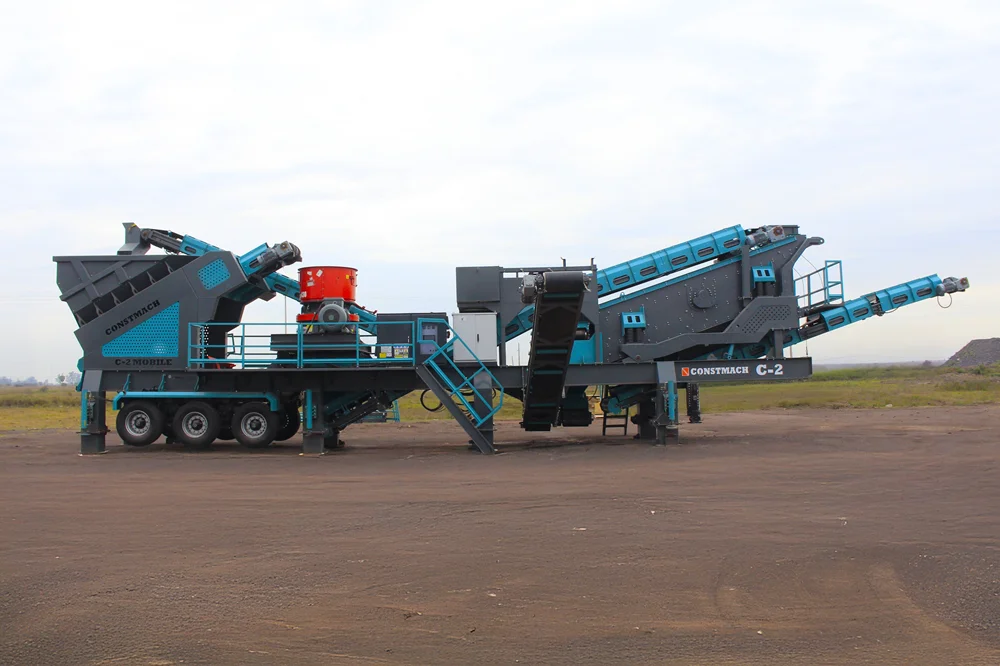
PI-1 المخطط العام

FAQ

The PI-1 Mobile Limestone Crusher is a wheel-mounted primary impact crushing and screening plant from the CONSTMACH PI series, intended for limestone and other low-abrasion stones. The sections below summarise what it does, the materials it handles, where it sits in the crushing line, why impact crushing suits limestone, its wear parts and maintenance, and how it compares to alternative primary plants.

What does the PI-1 do?

The PI-1 combines feeding, primary impact crushing and vibrating-screen classification on a single mobile chassis. It receives run-of-quarry stone, reduces it in a horizontal-shaft impact crusher, and screens the crushed material into finished fractions, producing three or four different products at the same time.

What materials and feed sizes is it designed for?

  • Designed for materials with a low grade of hardness and abrasiveness, such as limestone.
  • Maximum feeding size of 900 x 900 mm.
  • Stated production capacity of 150-200 t/h, depending on the hardness of the feed.

Where does it fit in the crushing line?

It operates as the primary station at the front of the line, directly at the working face. Because feeding, crushing and screening are integrated on one mobile unit, the PI-1 can deliver saleable fractions on its own or feed material on to further crushing and screening stages.

Why is impact crushing suited to limestone, and what about wear?

Impact crushers reduce material by striking it with rotor blow bars and throwing it against impact aprons, which gives a high reduction ratio and a cubical, fines-rich product favoured for limestone aggregate. Blow bars and aprons are wear-exposed, so abrasive high-silica feed wears them quickly; this is why impact-based plants like the PI-1 are matched to low-abrasion stone rather than hard, abrasive rock.

What are the main wear parts and maintenance points?

  • Blow bars on the rotor and the impact aprons in the crushing chamber are the principal wear parts and require periodic inspection and replacement.
  • The vibrating screen media and feeder liners are also subject to wear.
  • The SIEMENS/SCHNEIDER automation and PLC, controlled by tablet, support monitoring of the crushing and screening process.

How does it compare to a jaw-based primary plant?

An impact-based plant such as the PI-1 offers a higher reduction ratio and a more cubical product in a single stage and is matched to low-abrasion limestone. A jaw-based primary plant is generally chosen for harder, more abrasive rock where impact loads and wear would otherwise be excessive. The PI-1 is the smaller plant in the series; the PI-2 provides higher capacity and a larger feed opening.

Frequently Asked Questions

صورة تواصل عبر واتساب
تواصل سريع

اترك طلبك وسيقوم فريقنا المتخصص في أقرب وقت ممكن بالرد عليك

املأ النموذج للحصول على معلومات مفصلة حول محطات خلط الخرسانة أو محطات التكسير والغربلة أو منتجاتنا الأخرى — أو تواصل معنا مباشرةً.

بترك طلبك، فإنك توافق على معالجة بياناتك الشخصية.

أو مباشرةً

ما الجديد في CONSTMACH

فريقنا من الخبراء جاهز لتقديم حل مصمم خصيصًا لمشروعك. نحن على بُعد مكالمة هاتفية واحدة — اتصل بنا الآن.