








Stationary Crushing Plants | محطات التكسير الثابتة

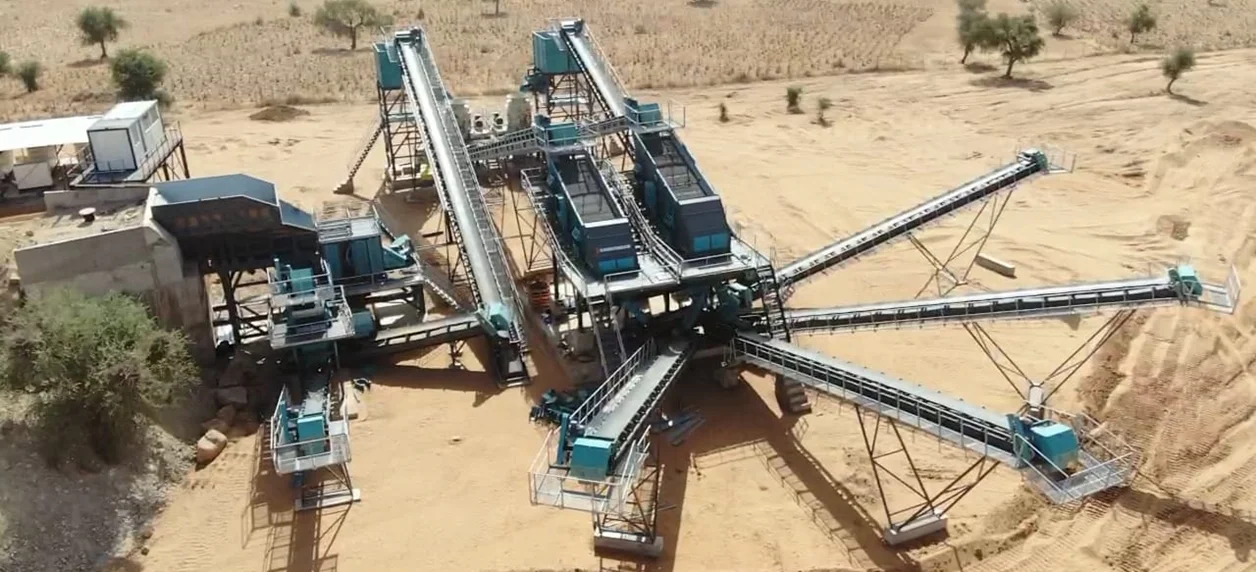
محطات التكسير الثابتة من CONSTMACH هي خطوط تكسير وغربلة ثابتة التركيب ومتكاملة، مصمَّمة كنظام واحد متكامل لا كآلة مفردة. وتُهيَّأ كل محطة حسب المشروع، فتجمع بين كسارة أولية وتكسير ثانوي وتكسير من الدرجة الثالثة اختياري ومغذيات اهتزازية وغرابيل وقواديس ونواقل في تدفق إنتاجي مستمر. وتُحدَّد القدرة وفق متطلب المشروع وتقع عادة ضمن نطاق 100 إلى 1.000 t/h، مع تعريف التهيئة الكاملة بحسب التطبيق بدلاً من تقديمها كطراز ثابت من الكتالوج.

تُحدَّد تهيئة المحطة الثابتة وفق أربعة معايير رئيسية: القدرة الإنتاجية المطلوبة، ونوع مادة التغذية وصلابتها وقابليتها للتآكل، وأقصى مقاس للتغذية، وعدد المقاسات النهائية للمنتج وأحجامها. وتؤكّد هندسة التطبيقات لدى CONSTMACH مدى ملاءمة مادة التغذية، سواء أكانت حجراً جيرياً أم غرانيتاً أم بازلتاً أم دولوميت أم خام تعدين، وتختار أنواع الكسارات بناءً على ذلك. ولأن الصخور الصلبة الكاشطة والحجر الجيري الأكثر ليونة يتطلبان آلات مختلفة، فقد تُبنى المساحة نفسها للمحطة حول معدات مختلفة تماماً من مشروع إلى آخر.

تستقبل المرحلة الأولية مادة المحجر الخام، عادةً عبر مغذي غريزلي اهتزازي يفصل المواد الناعمة قبل الكسارة. وبالنسبة للصخور الصلبة الكاشطة تُختار كسارة الفك ككسارة أولية، تصغّر المادة بالضغط؛ أما بالنسبة للحجر الجيري متوسط الصلابة فقد تُستخدم كسارة صدمية أولية بدلاً منها للحصول على منتج مكعّب الشكل ونسبة تصغير عالية. وتحدّد الكسارة الأولية طابع المحطة بأكملها، إذ تصغّر مادة المحجر الخام إلى منتج وسيط قابل للنقل للمراحل التالية.

تعمل الكسارات الثانوية والكسارات من الدرجة الثالثة الاختيارية على تنقية المنتج الأولي إلى المقاسات النهائية المطلوبة. فالتكسير الثانوي يصغّر المادة الوسيطة أكثر، وتُضاف مرحلة من الدرجة الثالثة حيث تُطلب منتجات أنعم أو رمل صناعي. وتفصل الغرابيل الاهتزازية بين مراحل التكسير وبعدها المادةَ إلى مقاسات محدّدة وتعيد المواد الأكبر من المقاس إلى الكسارات في دائرة مغلقة، بينما تنقل شبكة من النواقل المادة بين المغذيات والكسارات والغرابيل ومخازن المواد. ومن الممكن الجمع بين أنواع مختلفة من الكسارات في التهيئة نفسها لمطابقة مواصفات المنتج.

تُحدَّد مقاسات المنتجات النهائية حسب المشروع وتشمل عادة درجات ركام الخرسانة والأسفلت، والطبقة الأساسية السفلية (sub-base)، ومع معدات الدرجة الثالثة المناسبة، الرمل الصناعي. ويُحدَّد نطاق المنتجات ونسبة كل مقاس خلال مرحلة التصميم بحيث تُطابَق المحطة مع سوق المنتِج بدلاً من أن تكون أكبر أو أصغر من اللازم، بما يساعد على تفادي هدر رأس المال وارتفاع تكاليف التشغيل الناجمة عن استثمار غير مطابق.

تصمّم CONSTMACH مخطط المحطة بأبعاد ثلاثية باستخدام تشكيلتها من المغذيات والكسارات والغرابيل والقواديس والغسالات والنواقل، وتزوّد المنشأة بنظام أتمتة عالي المواصفات مبني على مكوّنات SIEMENS وSCHNEIDER وتحكّم PLC. ويشمل نطاق التوريد مخططات الأعمال المدنية والأساسات وأبراج النواقل ومنصات التخزين وتجهيزات كبح الغبار المسلَّمة عند الطلب. وتستغرق المحطة الثابتة المتكاملة عادة من 6 إلى 12 شهراً من الطلب حتى أول إنتاج، بما يشمل الهندسة والتصنيع والأعمال المدنية والتركيب والتشغيل التجريبي، وبعدها تعمل بوصفها منشأة التكسير والغربلة الدائمة للموقع.

Stationary Crushing Plants المواصفات الفنية

Configuration Notes

تكوين المحطةمُصمَّمة حسب المشروع (كسارة أولية + ثانوية + كسارة من الدرجة الثالثة اختيارية)
القدرة الإنتاجيةتُحدَّد وفق متطلب المشروع (نطاق نموذجي 100-1.000 t/h)
نطاق المنتجات النهائيةبمقاسات حسب المشروع (درجات ركام الخرسانة والأسفلت، ورمل صناعي اختياري)
مادة التغذيةحجر جيري، غرانيت، بازلت، دولوميت أو خام تعدين (تؤكّد هندسة التطبيقات لدى CONSTMACH مدى الملاءمة)
الأعمال المدنيةأساسات، أبراج نواقل، منصات تخزين، كبح الغبار (تُورّد CONSTMACH المخططات عند الطلب)
دورة حياة المحطة6-12 شهراً من الطلب حتى أول إنتاج (الهندسة، التصنيع، الأعمال المدنية، التركيب، التشغيل التجريبي)

Stationary Crushing Plants النقل

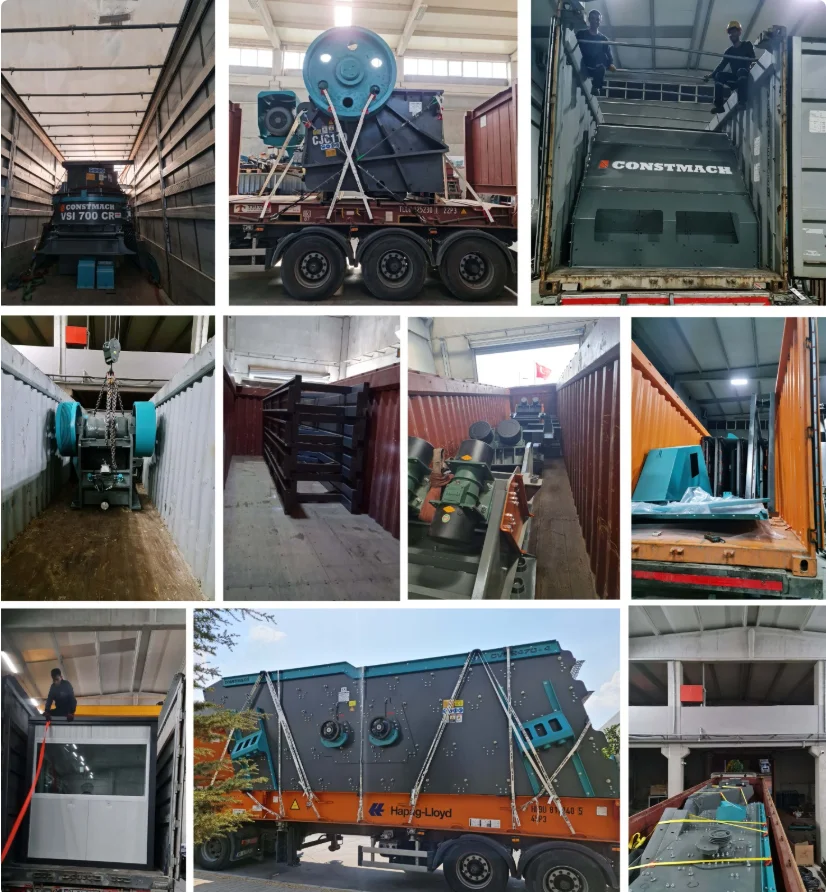
Stationary Crushing Plants | محطات التكسير والغربلة – النقل

Stationary Crushing PlantsVideo

Stationary Crushing Plants المخطط العام

FAQ

A CONSTMACH stationary crushing plant is a complete, project-engineered crushing and screening installation rather than a single machine. This section explains how a plant is configured, what it produces, the industries it serves, how it is delivered and how it compares with a mobile plant.

What Is a Stationary Crushing Plant?

A stationary crushing plant is a permanent, fixed installation that takes run-of-quarry rock and turns it into sized aggregate products through a sequence of crushing and screening stages. It integrates several machine types into one continuous flow:

  • Vibrating grizzly feeder for primary feed and scalping

  • Primary crusher (jaw or primary impact, by feed type)

  • Secondary and optional tertiary crushers

  • Vibrating screens for sizing and closed-circuit return

  • Conveyors, hoppers and stockpile arrangements

How Is a Plant Configured?

Configuration is defined per project according to the required capacity (typically 100-1,000 t/h), the type, hardness and abrasiveness of the feed, the maximum feed size and the number and sizes of final fractions. CONSTMACH application engineering confirms feed suitability and selects the crusher types, and the layout is designed in 3D before manufacture.

What Products and Materials Are Involved?

Feed materials include limestone, granite, basalt, dolomite and mining ore. Output is sized per project and commonly covers concrete and asphalt aggregate grades, sub-base and, with tertiary equipment, manufactured sand. The proportion of each fraction is set during design so the plant matches the producer's market, avoiding both unsold surplus sizes and shortfalls in the most-needed grades.

Which Industries Use Stationary Plants?

  • Aggregate quarries and construction material producers

  • Concrete and asphalt production

  • Mining and mineral processing

  • Major infrastructure and road projects

Why Is the Crusher Selection So Important?

The primary crusher choice shapes the entire plant. For hard, abrasive feed such as granite or basalt, a jaw crusher is used as the primary because its compression action and replaceable manganese jaw plates handle high-strength rock at low wear cost. For medium-hardness limestone, a primary impact crusher is often preferred because impact crushing delivers a cubical product and a high reduction ratio, which can reduce or remove the need for a separate secondary stage. Selecting the wrong primary type for the feed leads to excessive wear-part cost and poor product shape, which is why CONSTMACH application engineering confirms feed suitability before configuration.

How Is a Plant Delivered and Maintained?

Scope of supply includes civil works drawings, foundations, conveyor towers, stockpile pads and dust suppression provisions at order. Delivery typically spans 6 to 12 months from order to first production, covering engineering, manufacturing, civil works, erection and commissioning. Wear-part management follows the individual machines in the line, principally the manganese steel jaw plates or impact blow bars in the crushers and the screen media, replaced on planned schedules. The PLC automation system supports monitoring of the line so faults and bottlenecks can be identified during operation.

Stationary Versus Mobile Plant

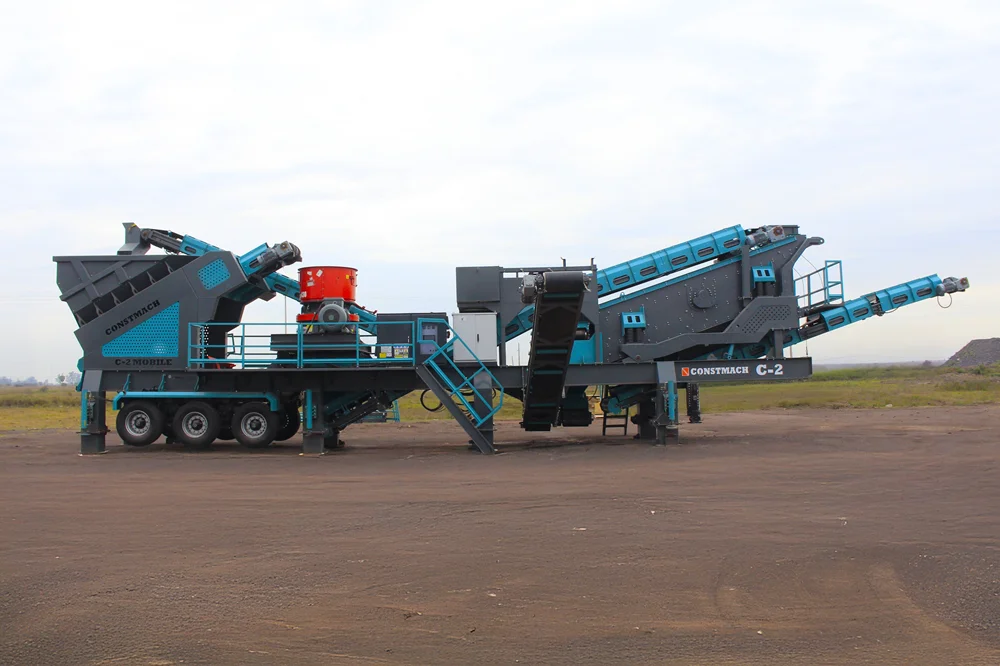
A stationary plant is a fixed installation suited to long-term production at a single site, offering high capacity, integrated automation and the lowest cost per tonne over time. A mobile plant trades some of that capacity and integration for the ability to relocate between sites. The stationary plant is the appropriate choice where the production location is fixed for the life of the operation, where capacity requirements are high, or where a wide range of final fractions must be produced in closed circuit.

Frequently Asked Questions

صورة تواصل عبر واتساب
تواصل سريع

اترك طلبك وسيقوم فريقنا المتخصص في أقرب وقت ممكن بالرد عليك

املأ النموذج للحصول على معلومات مفصلة حول محطات خلط الخرسانة أو محطات التكسير والغربلة أو منتجاتنا الأخرى — أو تواصل معنا مباشرةً.

بترك طلبك، فإنك توافق على معالجة بياناتك الشخصية.

أو مباشرةً

ما الجديد في CONSTMACH

فريقنا من الخبراء جاهز لتقديم حل مصمم خصيصًا لمشروعك. نحن على بُعد مكالمة هاتفية واحدة — اتصل بنا الآن.