








JCV-2 | Mobile Brechanlage

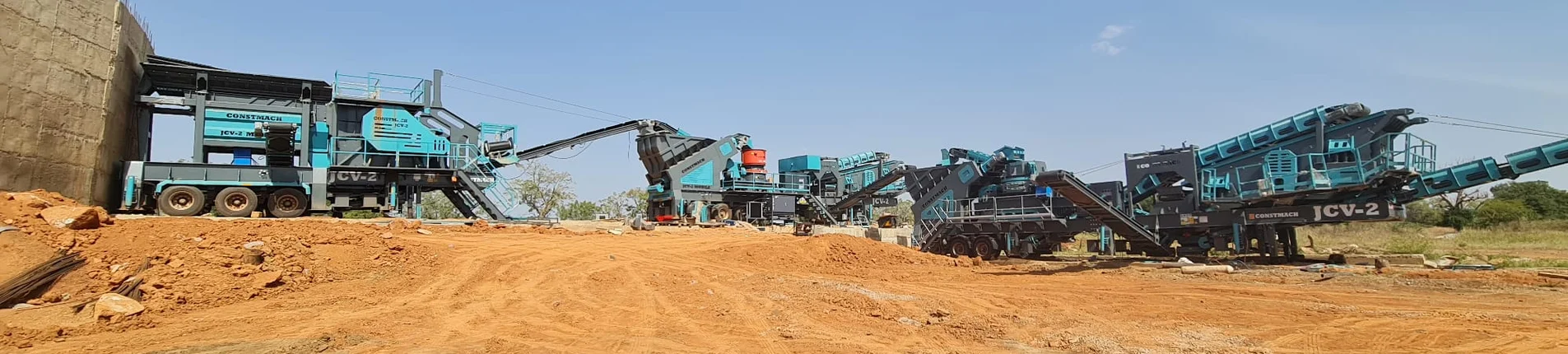
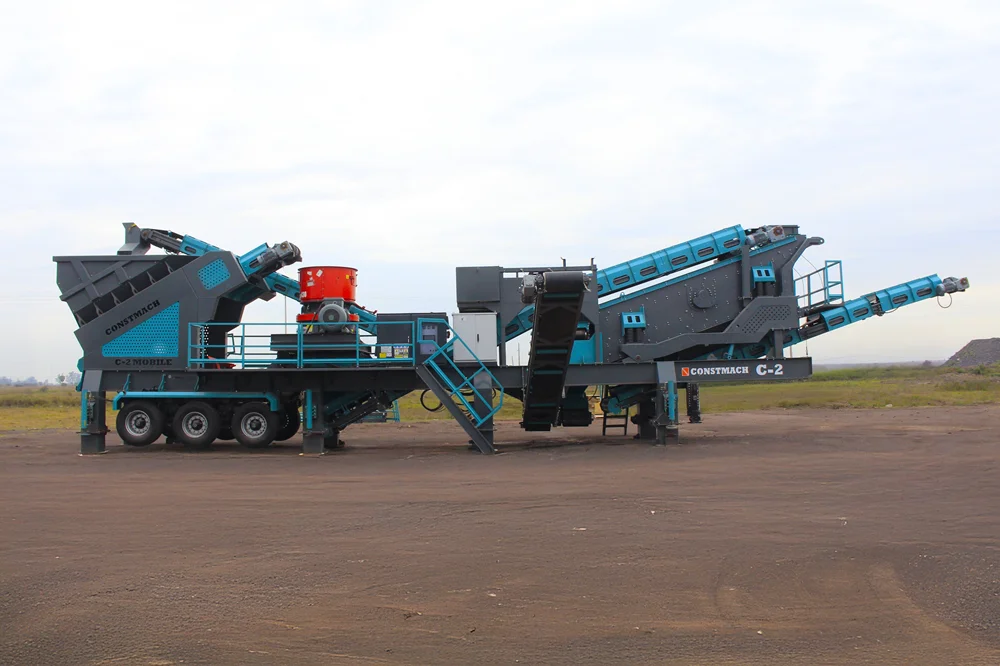
Die CONSTMACH JCV-2 mobile Brechanlage auf drei Chassis ist eine Kombination aus unserer mobilen Brechanlage JC-2 und der mobilen Sandaufbereitungsanlage V-80. Das System kommt zum Einsatz, wenn härteste Gesteine wie Granit, Basalt usw. gebrochen und gleichzeitig ein hoher Anteil an Feinmaterial mit guter kubischer Kornform erzielt werden soll.

Die JCV-2 ist das Ergebnis ausgefeilter Konstruktion und Entwicklung sowie der Verwendung hochwertiger Materialien und Komponenten mit langlebiger und ausgezeichneter Verarbeitung.

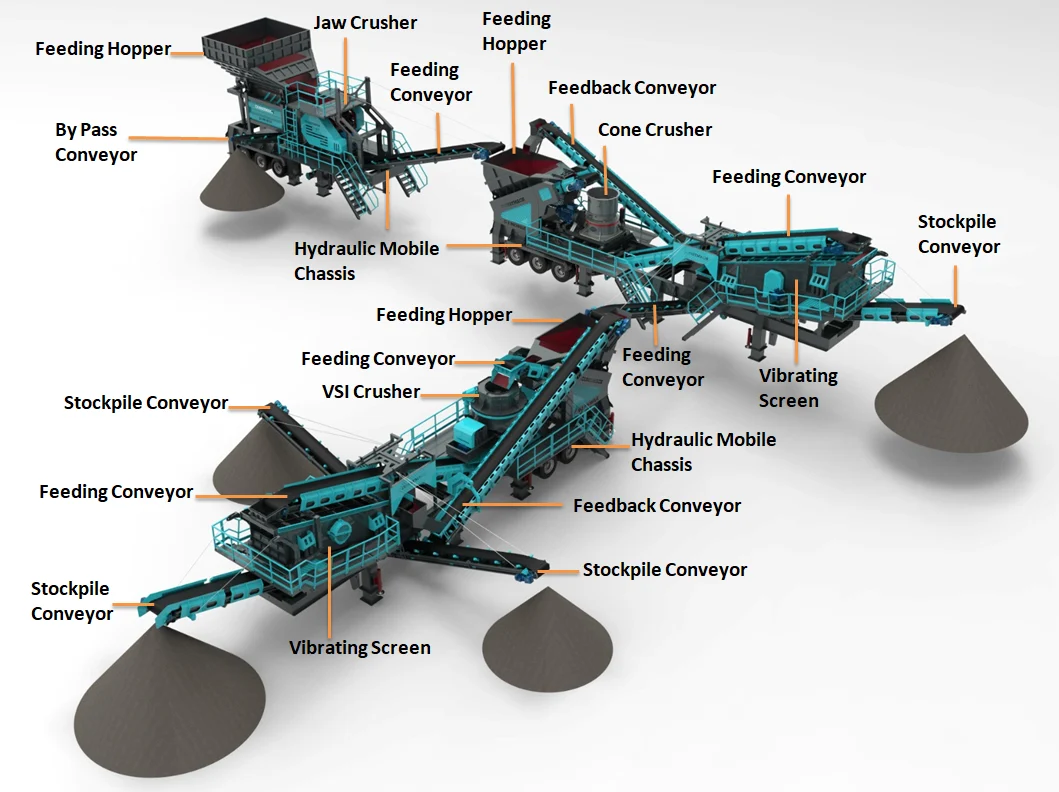
Die JCV-2 ist eine mobile Brechanlage auf drei Chassis und besteht aus der Kombination von:

JCV-2 | Mobile Brechanlage

1. Chassis

  • Aufgabetrichter mit Schwingaufgeber
  • CJC-90 Primär-Backenbrecher
  • Bypass-Förderband (zum Abscheiden von Erdreich)
  • Aufgabeförderband zwischen Backenbrecher und Trichter des Kegelbrechers
  • Radmontiertes mobiles Chassis mit hydraulischen Stützbeinen
  • Automatisierungssystem mit PLC und Fernsteuerung
  • Entstaubungssystem

2. Chassis

  • Aufgabetrichter des Kegelbrechers
  • Kegelbrecher, METSO HP 200 oder gleichwertig
  • Vibrationssiebmaschine mit 2 Decks
  • Rückführförderband von der Vibrationssiebmaschine zum Kegelbrecher
  • Hochklappbare Haldenförderbänder
  • Aufgabeförderband zum 3. Chassis
  • Radmontiertes mobiles Chassis mit hydraulischen Stützbeinen
  • Automatisierungssystem mit PLC und Fernsteuerung
  • Entstaubungssystem
  • Diesel-Stromaggregat (optionale Ausstattung)

3. Chassis

  • Aufgabetrichter mit Schwingaufgeber
  • VSI 800 CR Vertikalprallbrecher mit geschlossenem Rotor
  • Aufgabeförderbänder
  • Vibrationssiebmaschine mit 3 Decks
  • Rückführförderband
  • Haldenförderbänder
  • Mobiles Chassis mit hydraulischen Stützbeinen
  • Automatisierungssystem mit PLC und Fernsteuerung
  • Entstaubungssystem

Die Produktionsleistung der JCV-2 variiert je nach Härtegrad des zu brechenden Materials zwischen 120 und 150 t/h. Die maximale Aufgabegröße beträgt 900 x 650 mm. Der Kegelbrecher ist ein Metso HP 200 oder ein gleichwertiges Modell und das VSI-Modell ist der VSI-800-CR. Es können gleichzeitig 5 verschiedene Fraktionen gewonnen werden.

Bei Bedarf kann ein Stromgenerator an das Chassis der Anlage angepasst werden.

Die JCV-2 ist eine bedienerfreundliche Kombination, die ihren Betreibern eine einfache Montage bietet. Die Anlage kann in sehr kurzer Zeit in Betrieb genommen werden. Bei Bedarf können der Aufgabetrichter und die Haldenförderbänder mit einem hydraulischen Öffnungsmechanismus ausgestattet werden; in diesem Fall kann die Anlage ohne externe Hilfsmittel wie Kran, Radlader usw. in Betrieb genommen werden.

JCV-2 | Mobile Brechanlage

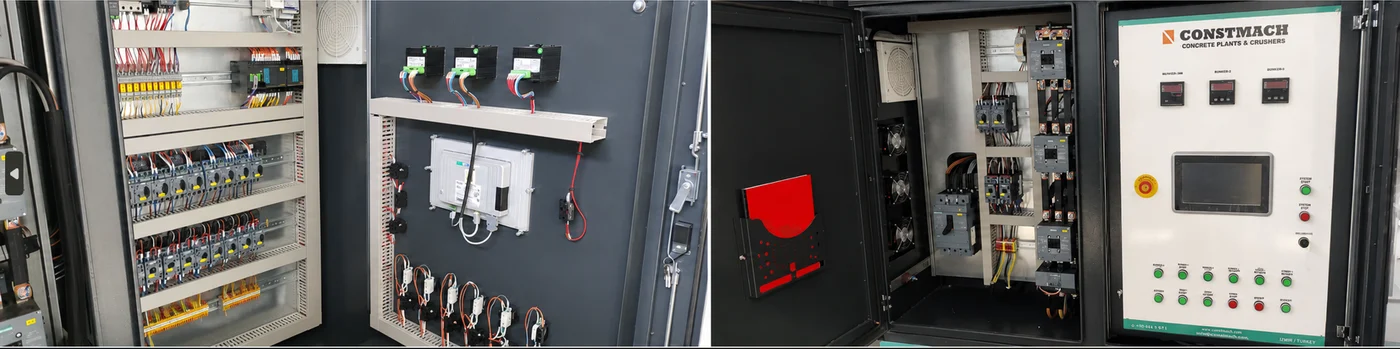
Die JCV-2 ist mit einem hochmodernen Automatisierungssystem ausgestattet, das erstklassige elektronische Komponenten der Marken SIEMENS – SCHNEIDER und eine PLC umfasst. Die JCV-2 wird lediglich über einen Tablet-Controller bedient.

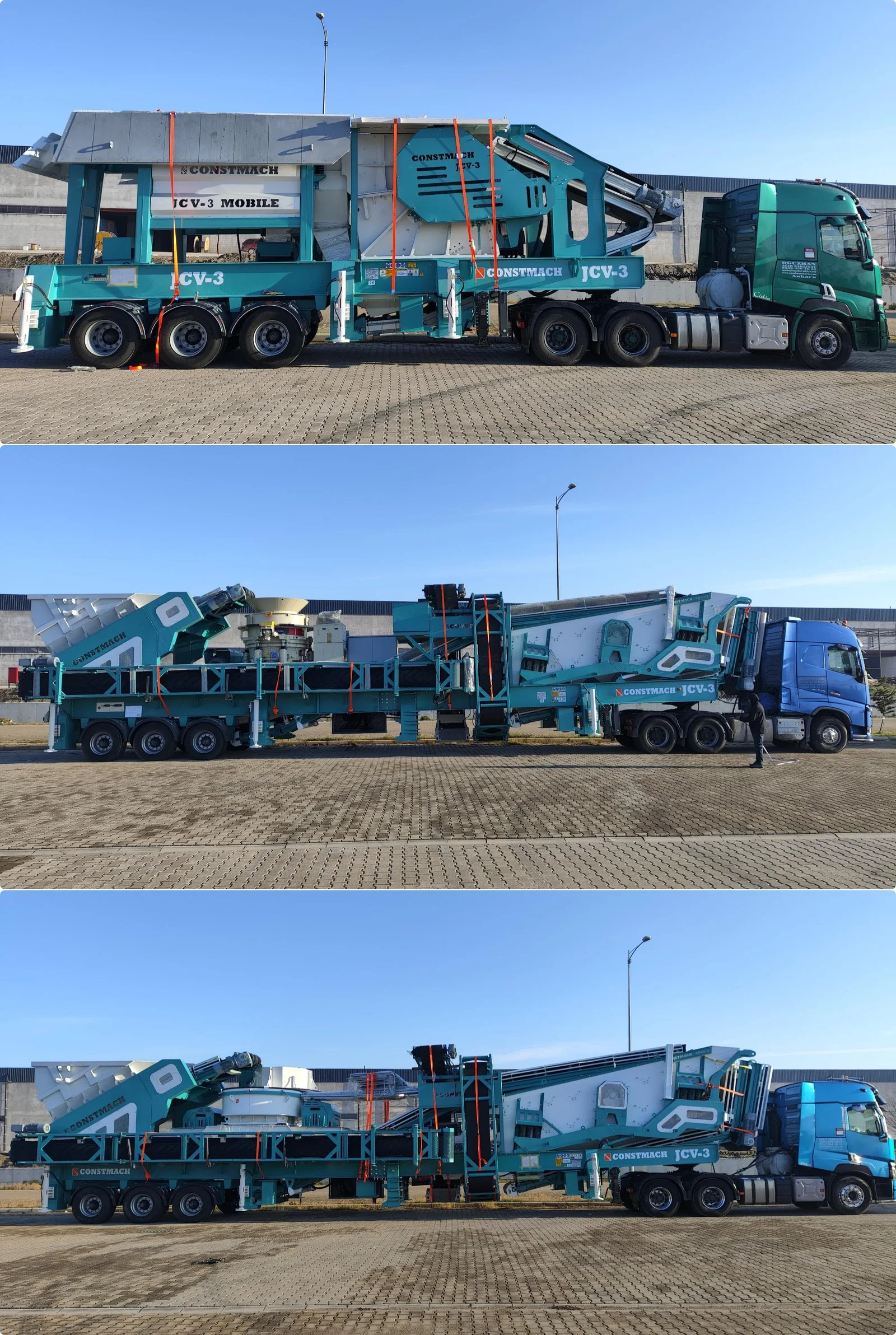
Die Gesamtabmessungen der Chassis der JCV-2 sind gemäß den internationalen Straßentransportvorschriften ausgelegt, sodass sie problemlos zwischen den Einsatzorten transportiert werden kann.

JCV-2 Technische Daten

Produktionsleistung120-150 t/h
Maximale Aufgabegröße850 x 600 mm
HauptkonfigurationPrimär-Backenbrecher + Sekundär-Kegelbrecher + VSI
Gesamtmotorleistung705 kW
Erforderliche Generatorleistung1.100 kVA
Gewicht der Anlage120.000 kg, Gesamtgewicht der drei Chassis
Abmessungen der Anlage1. Chassis: 11.7(L) x 3.5(B) x 4.3(H) Meter 2. Chassis: 20(L) x 3.85(B) x 4.5(H) Meter 3. Chassis: 18.8(L) x 3.65(B) x 4.4(H) Meter
Chassis-TypDrei Chassis auf Rädern, ausgestattet mit hydraulisch ausfahrbaren Stützbeinen.

JCV-2 Transport

JCV-2 | Mobile Brechanlage Transport

JCV-2Video

FAQ

This section explains how the CONSTMACH JCV-2 mobile crushing plant is used, what it processes, the products it makes and how it differs from the two-stage JC series. The JCV-2 is a triple-chassis, wheel-mounted plant combining a primary jaw crusher, a secondary cone crusher and a tertiary VSI in one closed circuit.

What materials can the JCV-2 process?

The plant is configured for hard, abrasive, high-silica rock. Typical feed materials include:

  • Granite, basalt and gabbro
  • Limestone and dolomite
  • River stone and other hard quarried stone

The maximum feeding size is 850 x 600 mm, which sets the largest rock the primary jaw can accept.

What end products does the JCV-2 produce?

The circuit screens material on two chassis and can deliver up to five fractions at the same time. The VSI third stage shapes the output, so the JCV-2 produces graded aggregate with a high proportion of cubical particles and manufactured sand for use as construction material.

Which industries and applications use this plant?

The JCV-2 is applied where graded hard stone aggregate and shaped sand are needed on or near the production site, including:

  • Aggregate production from hard rock quarries
  • Concrete and asphalt aggregate and manufactured sand supply
  • Road and infrastructure construction

What is the trade-off between a mobile and a stationary plant?

The JCV-2 is mounted on three wheeled chassis with hydraulic opening legs, so it can be relocated between sites and set up without separate cranes or loaders in many cases. A stationary plant stays in one location. The mobile arrangement suits projects that change location, while the three-stage crushing circuit is the same in both cases.

What are the main wear parts and maintenance points?

As a three-stage hard stone plant, the main wear items relate to the crushing chambers and material handling:

  • Jaw plates in the primary jaw crusher
  • Mantle and concave liners in the cone crusher
  • Rotor wear parts and chamber components in the VSI
  • Screen media on the vibrating screens and conveyor belts

Hard, abrasive feed such as granite and basalt increases wear on these parts, so their condition is a routine maintenance focus.

How does the JCV-2 compare with the JC-2?

The JC-2 is a two-stage plant with a primary jaw crusher and a secondary cone crusher on two chassis. The JCV-2 retains that jaw and cone arrangement and adds a VSI 800 CR third stage on a separate chassis. The VSI improves particle shape and produces manufactured sand, which is the reason to select the JCV configuration over the JC configuration.

How is the plant integrated as one circuit?

The three chassis run as a single closed circuit. Feed passes from the jaw chassis to the cone chassis and then to the VSI chassis, with feedback conveyors returning oversize for further reduction. A Siemens and Schneider based PLC automation system with tablet control coordinates the stages, and each chassis carries a dust removal system.

Frequently Asked Questions

whatsapp gorsel 2024 01 10 saat 15 28 30 bf9fc1cb 9474
Schnellkontakt

Hinterlassen Sie eine Anfrage, und unser Expertenteam wird sich so schnell wie möglich bei Ihnen melden

Füllen Sie das Formular aus, um ausführliche Informationen über Betonmischanlagen, Brech- und Siebanlagen oder unsere anderen Produkte zu erhalten – oder kontaktieren Sie uns direkt.

Mit dem Absenden einer Anfrage stimmen Sie der Verarbeitung Ihrer personenbezogenen Daten zu.

oder direkt

Was gibt es Neues bei Constmach

Unser Expertenteam steht bereit, um eine auf Ihr Projekt zugeschnittene Lösung zu bieten. Wir sind nur einen Anruf entfernt — rufen Sie uns jetzt an.