





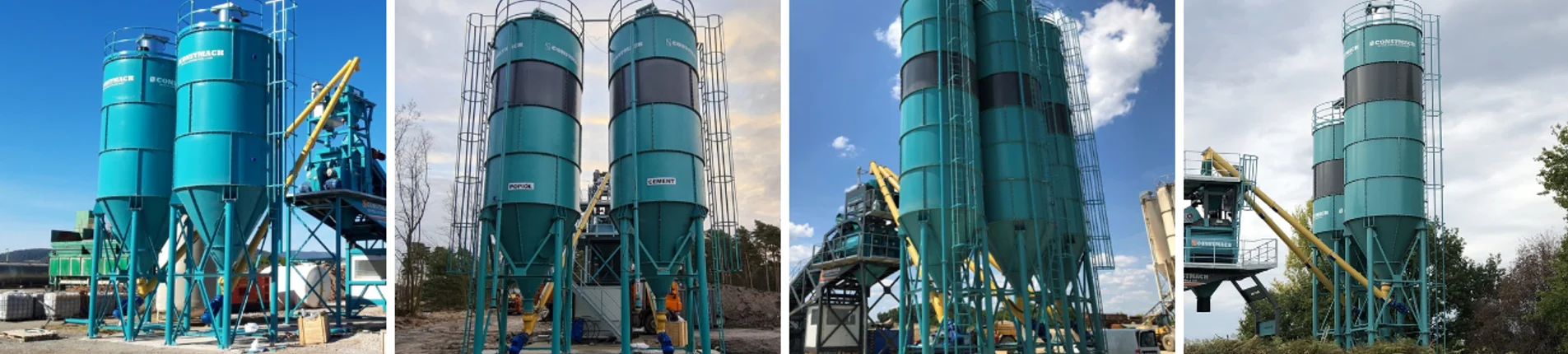

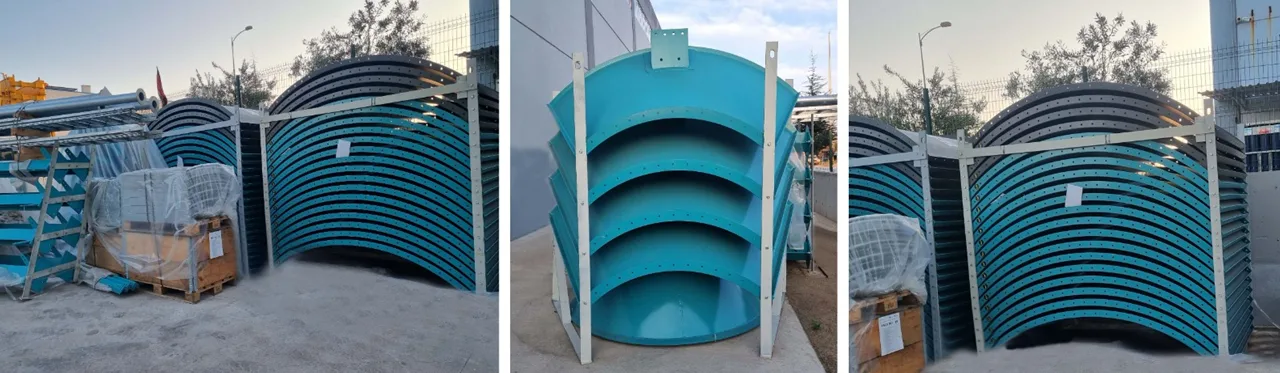
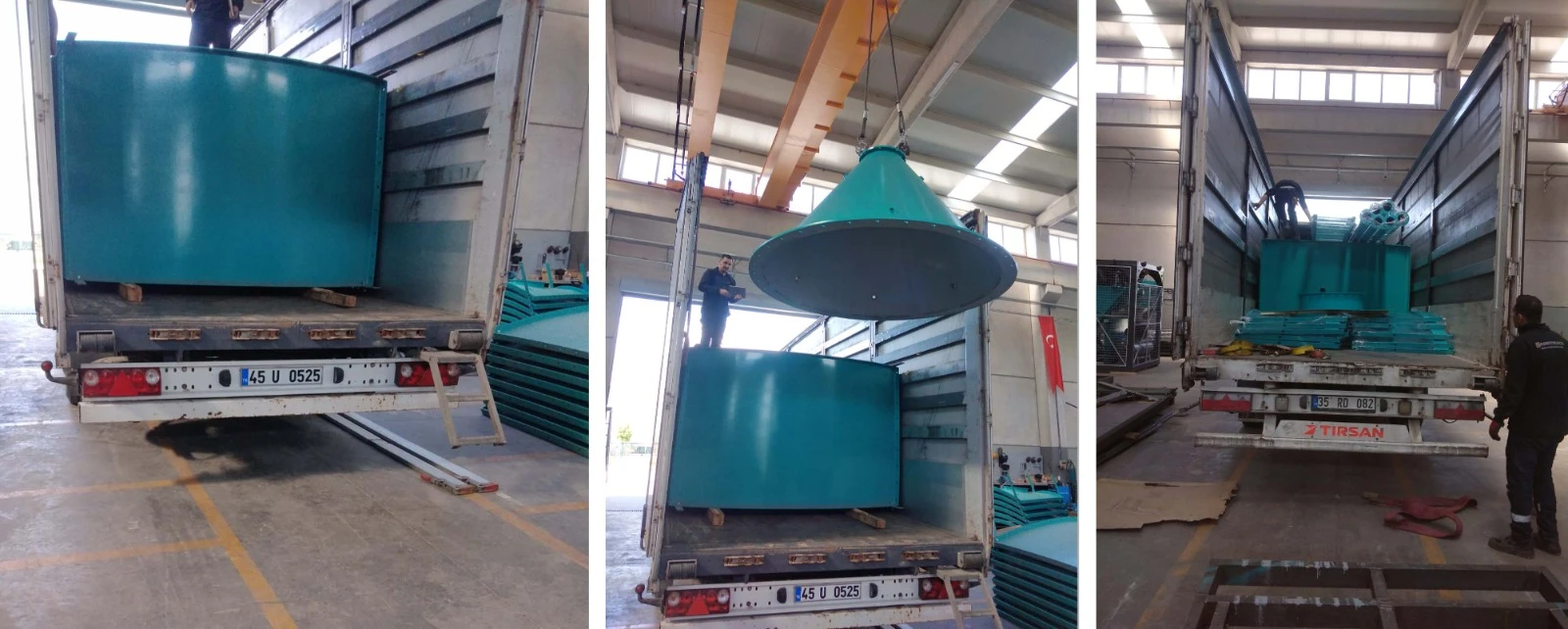
CS-50 Cement Silo is purchased to stock bulk cement at concrete batching plants, ready-mix facilities, precast factories, and at cement terminals where it functions as a distribution buffer between bulk supply (rail tanker, ship, road tanker) and downstream consumers. Storage capacity is matched to the operation: small batching plants use one silo at the lower end of the range, large precast clusters and terminals use one or more at the upper end.
What CS-50 Cement Silo Stores And How
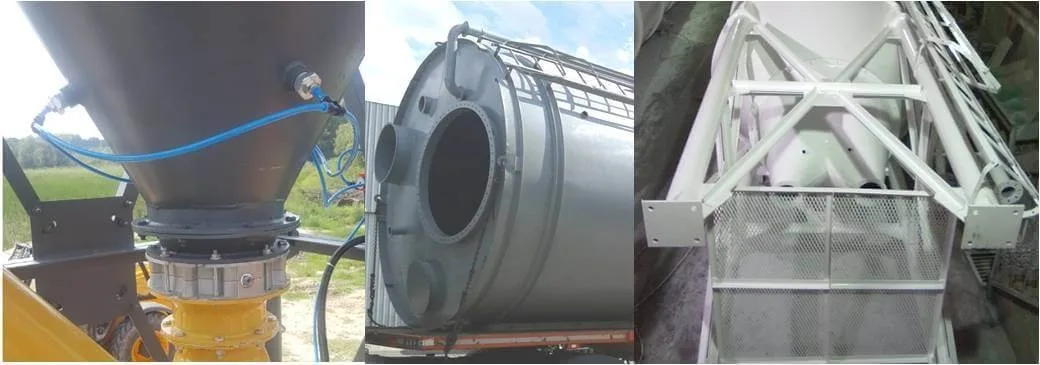
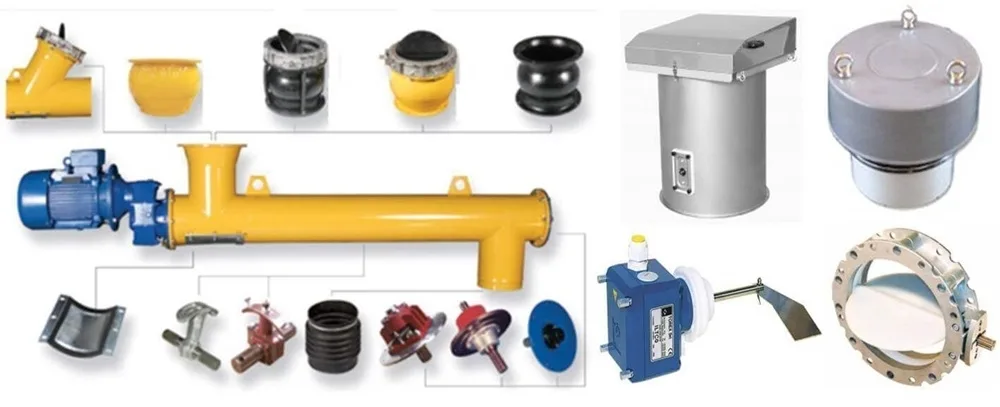
CS-50 Cement Silo holds 50 Tons, 40 m³ (cement density as 1,3 ton/m³) of cement (or similar fine bulk powder such as fly ash, slag cement or limestone filler) and dispenses it via the bottom screw conveyor at the rate the downstream plant requires. Charging is pneumatic from a bulk-cement tanker via the dedicated charging line. The interior is fitted with air-fluidisation nozzles to keep cement flowing freely from the cone, even after long static storage.
Suitability Factors
CS-50 Cement Silo fits batching plants whose daily cement consumption justifies its capacity: for 50 Tons, 40 m³ (cement density as 1,3 ton/m³), typical operation is 0.5–2 days of plant production. Foundation requirement is a reinforced concrete pad sized to support the loaded silo weight; CONSTMACH supplies the anchor-bolt template and load-data sheet.
Operating Considerations
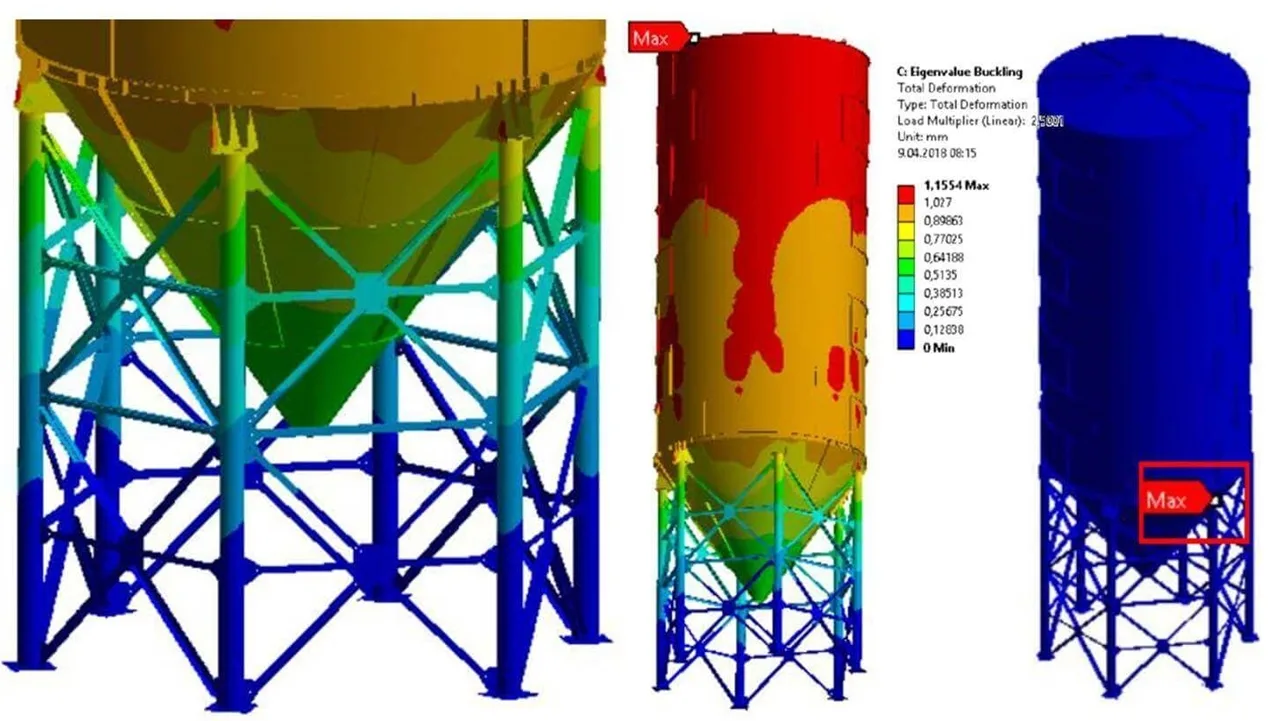
CS-50 Cement Silo requires periodic checks on the top air filter (dust-collection efficiency directly affects how much cement escapes during charging), the level indicators (worn sensors lead to over-charging), the safety pressure valve, and the screw-conveyor discharge gearbox. Annual structural inspection — wall thickness, weld seam integrity, paint condition — keeps the silo in service for its full 20–30 year design life.
Comparison To Alternatives
Compared to a smaller silo, CS-50 Cement Silo reduces tanker-delivery frequency — fewer logistics events and less risk of running out of cement during a production push. Compared to a larger silo, CS-50 Cement Silo reduces tied-up working capital in the form of stored cement inventory and reduces the cost and time of bolted assembly on site. The right size is project-specific: cement-consumption rate × buffer days desired × safety margin.