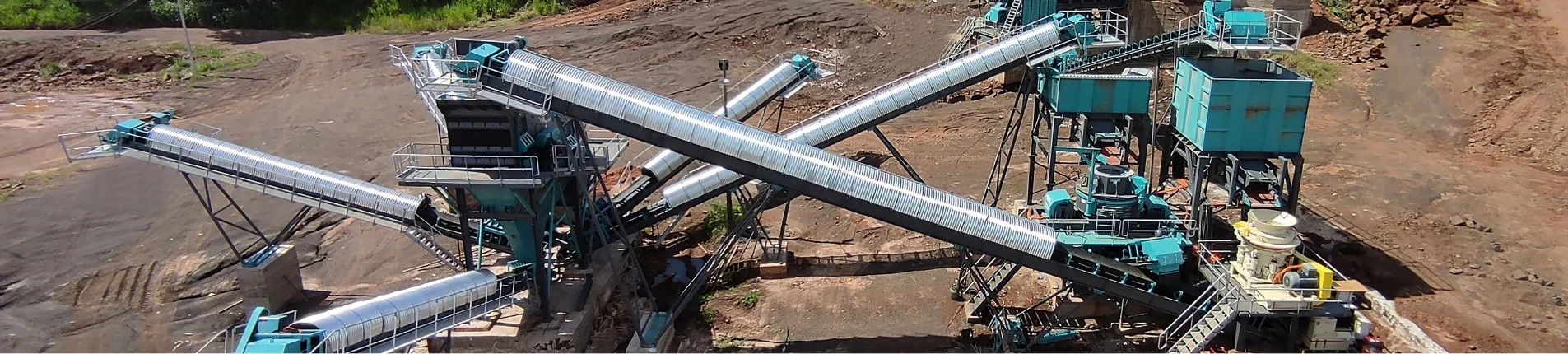
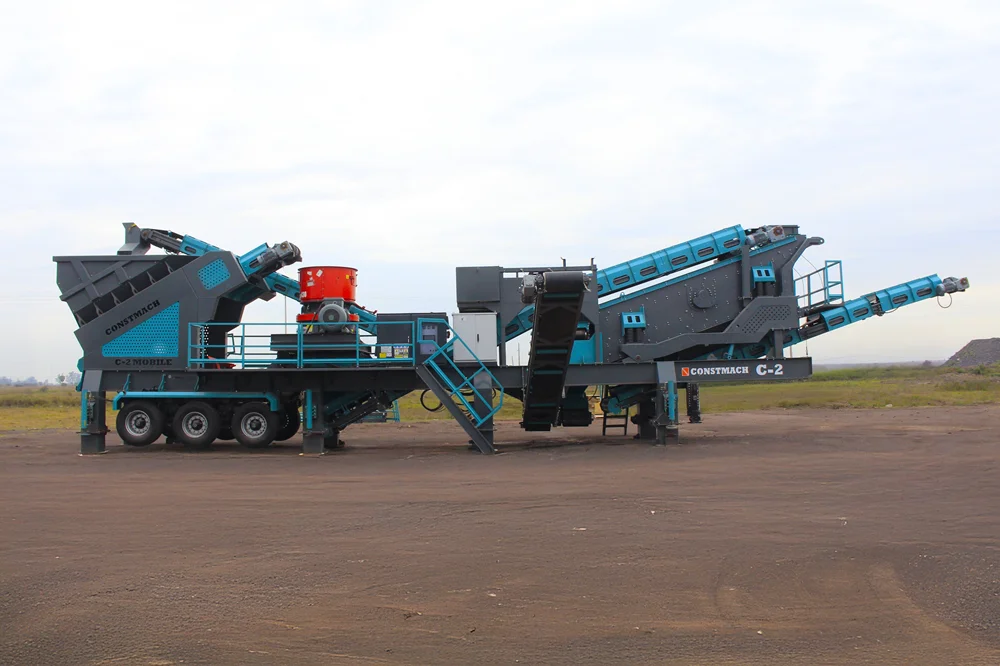
A crushing and screening plant is an integrated line of machines that reduces quarried rock to graded aggregate, combining feeders, crushers, screens and conveyors into one continuous production flow rather than a single machine. Constmach builds both stationary and mobile crushing and screening plants, with capacities from 50 up to 1,000 t/h, configured around the rock you process and the products you need. The plant brings together jaw, impact and vertical shaft impact crushers with vibrating feeders, screens and belt conveyors, each chosen for its place in the line.
What Is a Crushing and Screening Plant?
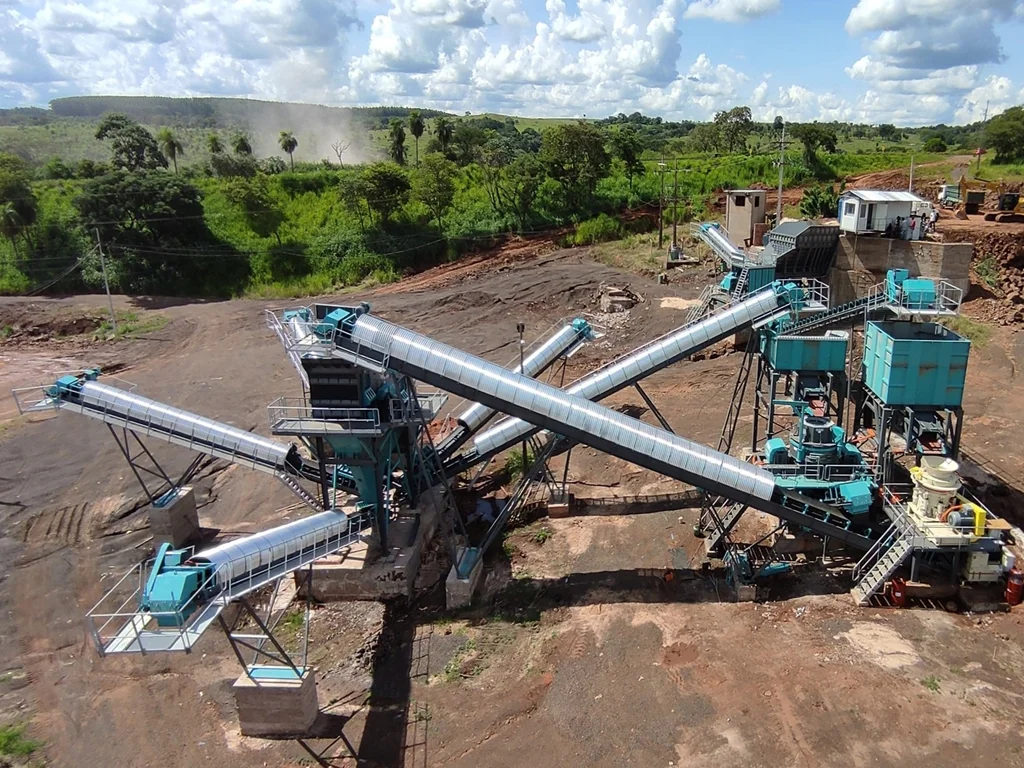
A crushing and screening plant is a complete system that takes blasted or excavated rock and turns it into clean, sized aggregate for concrete, asphalt and construction. It is not one machine but a line: material is fed in at one end, crushed in one or more stages, separated into sizes by screens, and carried between stages and out to stockpiles by conveyors. Each plant is engineered as a whole, so the machines are matched to each other and to the job rather than bought in isolation.
Constmach designs each plant around the project. The same core equipment, crushers, feeders, screens and conveyors, is arranged into the configuration that suits the rock, the capacity and the product range required. That is why a crushing and screening plant is described by its configuration and capacity rather than by a single catalogue number.
How a Crushing and Screening Plant Works
Material moves through the plant in a continuous flow, stage by stage:
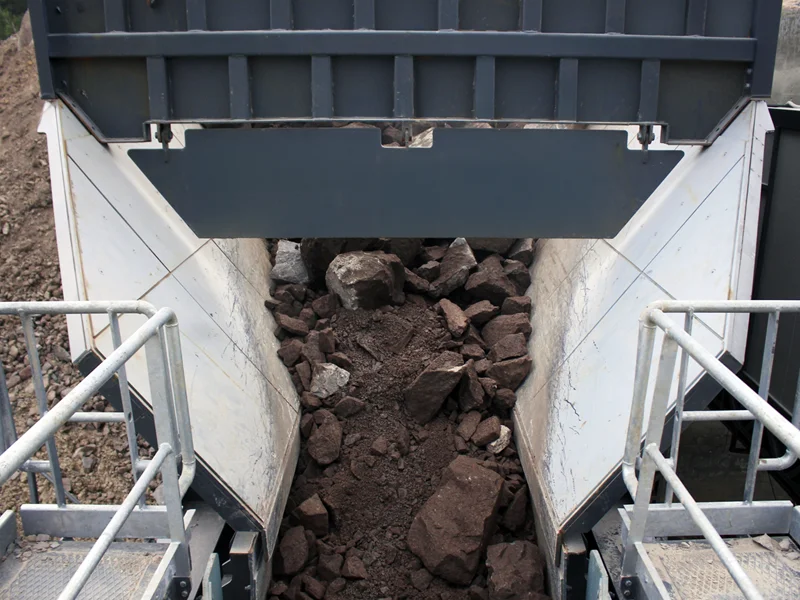
- Feeding. A vibrating feeder meters raw rock from the hopper into the primary crusher at a steady rate, and its grizzly section lets fines bypass the crusher so they do not pass through needlessly.
- Primary crushing. The first crusher, a jaw or a primary impact crusher, reduces the large feed rock to a manageable size.
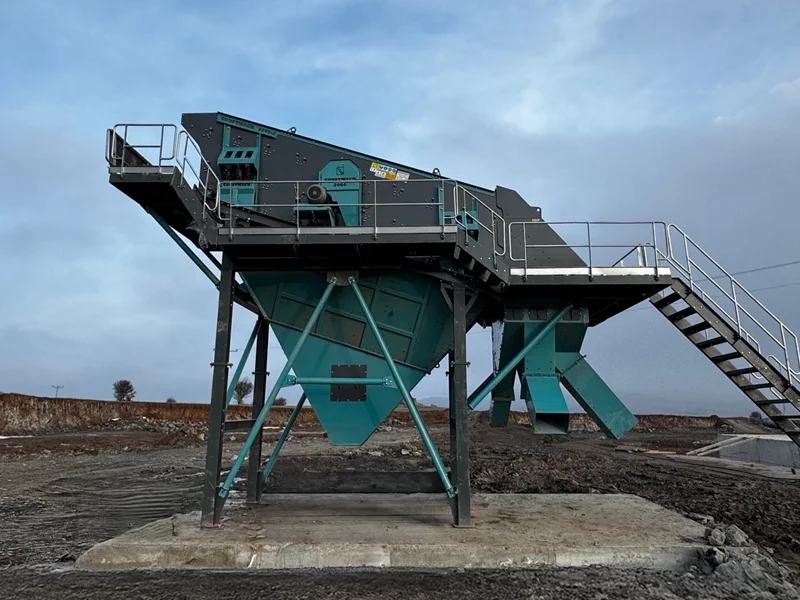
- Screening. A vibrating screen separates the crushed material into sizes; on-spec product is taken off, and oversize goes on for further crushing.
- Secondary and tertiary crushing. Secondary and, where needed, tertiary crushers reduce the oversize further and improve the product shape.
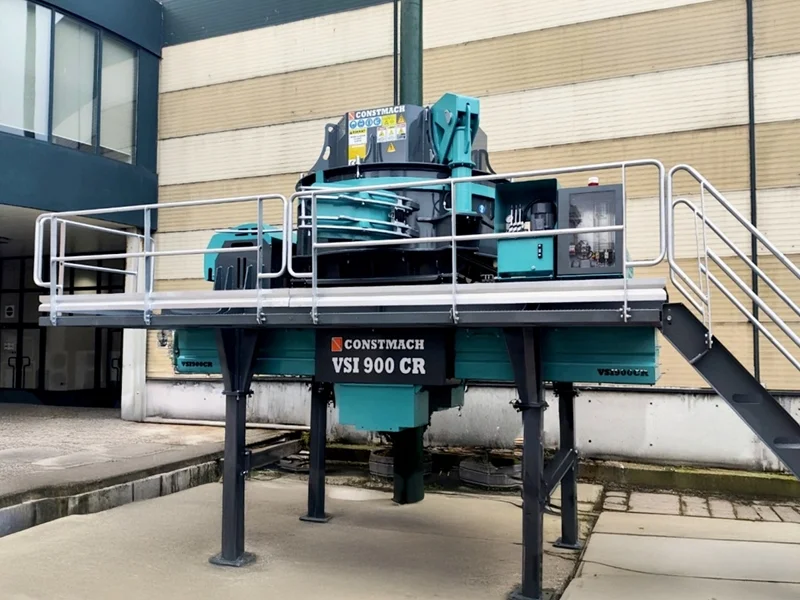
- Sand making. A vertical shaft impact crusher can turn the fine fractions into manufactured sand with a good cubical shape.
- Transport and stockpiling. Belt conveyors link the machines and carry each finished fraction out to its stockpile.
Screens and conveyors are placed between the crushing stages so material is sized at each step, with oversize recirculated and finished product taken off. This staged flow is what lets a plant turn rough rock into several precise aggregate sizes at once.
The Stages of Crushing
Crushing is done in stages because no single machine takes large rock down to fine aggregate efficiently. The primary stage breaks the big feed rock; the secondary stage reduces it further; the tertiary stage shapes and sizes the final aggregate; and a sand-making stage produces manufactured sand. How many stages a plant needs depends on the feed size, the rock and the product range. Hard, abrasive rock and a wide product range call for more stages; a softer rock crushed to a coarse product may need fewer. Matching the stages to the job is the heart of designing a plant.
Crusher Types in a Constmach Plant
Each crusher type has a job it does best, set by the crushing principle it uses and the rock it suits. The table gives the overview.
| Crusher | Stage | Best suited to |
|---|
| Jaw crusher (CJC) | Primary | Hard, abrasive rock: granite, basalt, river gravel |
| Primary impact crusher (CPI) | Primary | Medium-hard rock: limestone, dolomite; cubical product |
| Secondary impact crusher (CSI) | Secondary | Reducing primary output and improving shape |
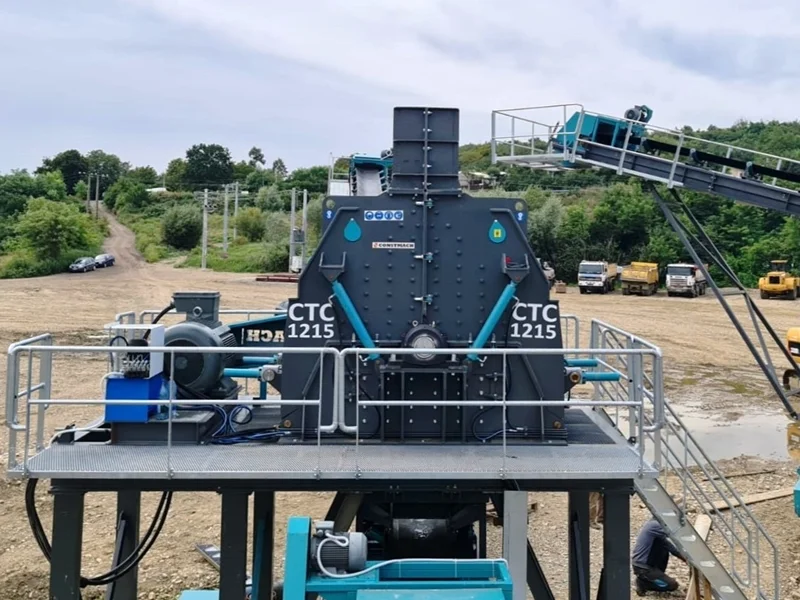
| Tertiary impact crusher (CTC) | Tertiary | Fine, well-shaped final aggregate |
| Vertical shaft impact (VSI) | Final / sand making | Manufactured sand and cubical fine aggregate |
Jaw Crushers
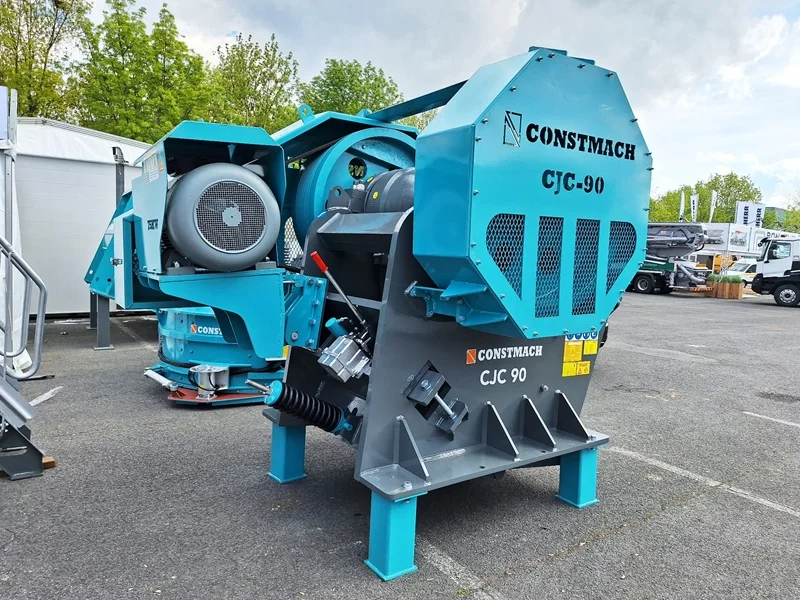
A jaw crusher reduces rock by compression, squeezing the feed between a fixed jaw and a moving jaw driven by an eccentric shaft. That compressive action handles hard, high-strength and abrasive rock well, which is why jaw crushers are the usual primary machine for granite, basalt and river gravel. The Constmach CJC range spans the CJC-60 up to the CJC-140, so the primary crusher can be sized to the plant.
Impact Crushers
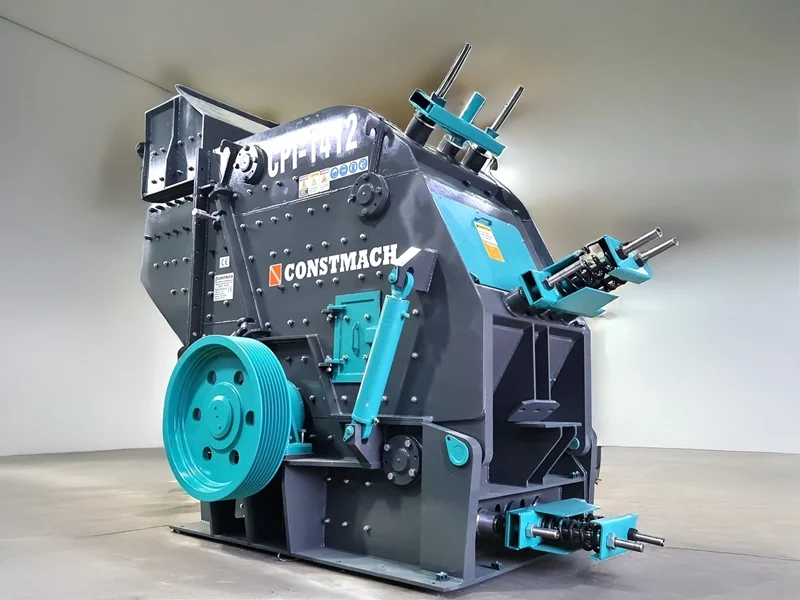
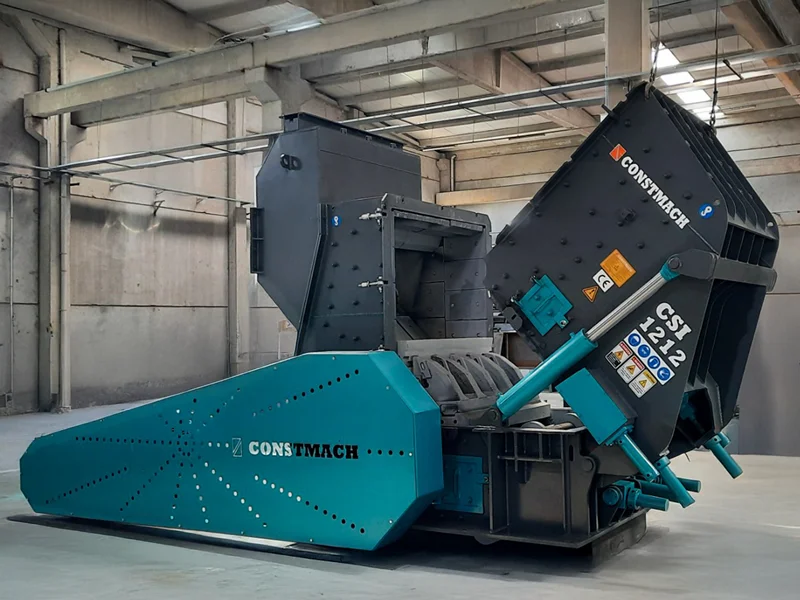
An impact crusher reduces rock by striking it. Manganese-steel blow bars on a high-speed rotor throw the feed against breaker plates, fracturing it along its natural planes. This gives a cubical, well-shaped product and a high reduction ratio, which is valued for concrete and asphalt aggregate. Constmach makes primary impact crushers (CPI) for medium-hard rock such as limestone, secondary impact crushers (CSI) to reduce the primary output further, and tertiary impact crushers (CTC) to shape and size the final aggregate.
Vertical Shaft Impact Crushers (Sand Making)
A vertical shaft impact crusher, or VSI, is the sand-making machine of the plant. It throws the fine fractions from the secondary stage at high speed against an anvil or a rock bed, which shapes them into cubical, specification sand and fine aggregate. The Constmach VSI range, from the VSI-700-CR upward, lets a producer add a sand circuit to an existing plant or build one into a new line, turning a fine-product shortfall into saleable manufactured sand.
Feeding, Screening and Conveying Equipment
The crushers do the reduction, but a plant needs the equipment around them to feed, size and move material:
- Vibrating feeders (CPG) meter raw rock into the primary crusher at a steady rate and, with their grizzly bars, let fines bypass the crusher. This protects the plant from the surge loading of a loader tipping straight into the crusher.
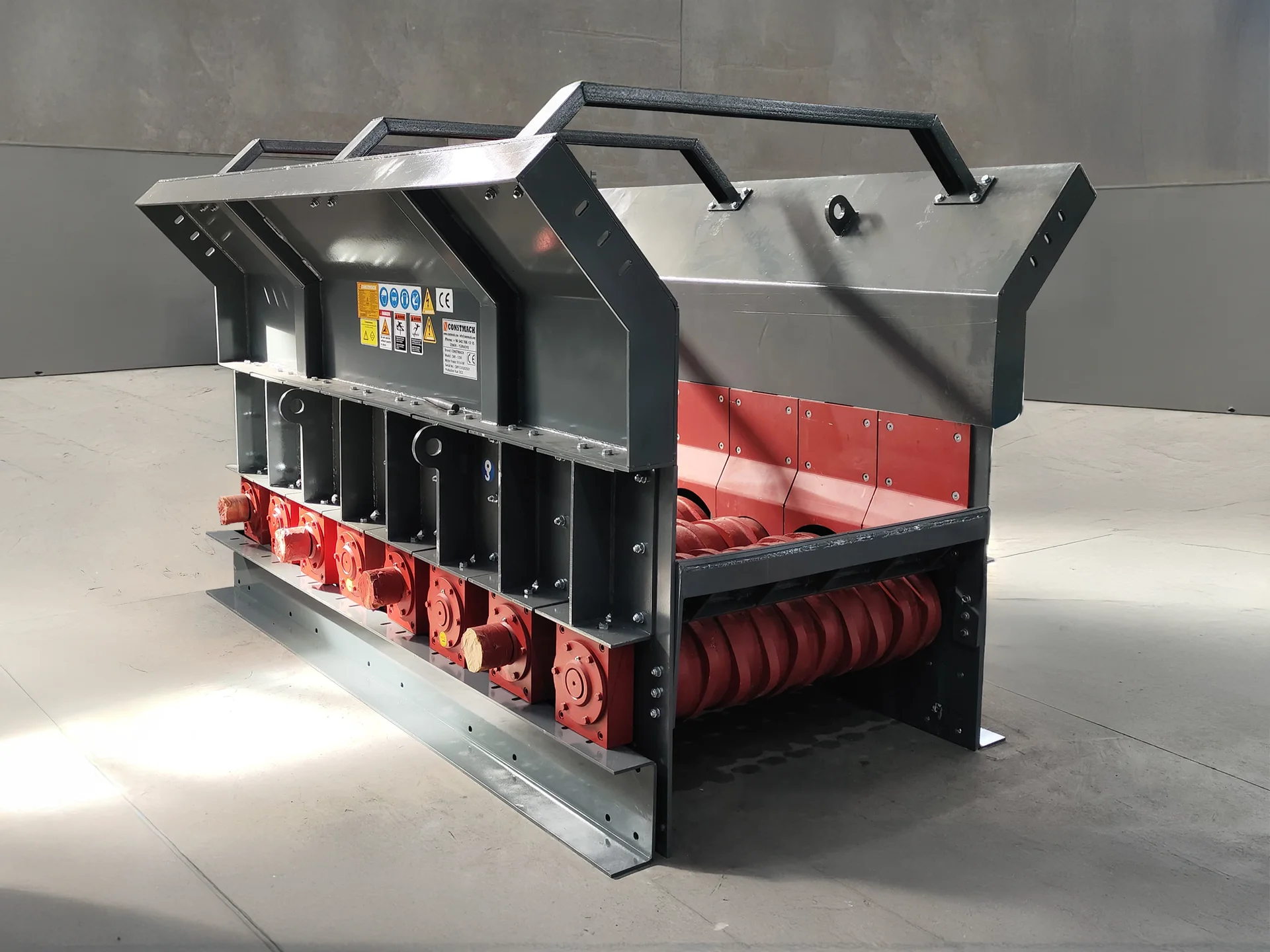
- Wobbler feeders handle sticky or wet feed, scalping fines while feeding the crusher.
- Vibrating screens (CVS) separate crushed material into precise sizes. Multi-deck screens split the feed into several graded products in a single pass.
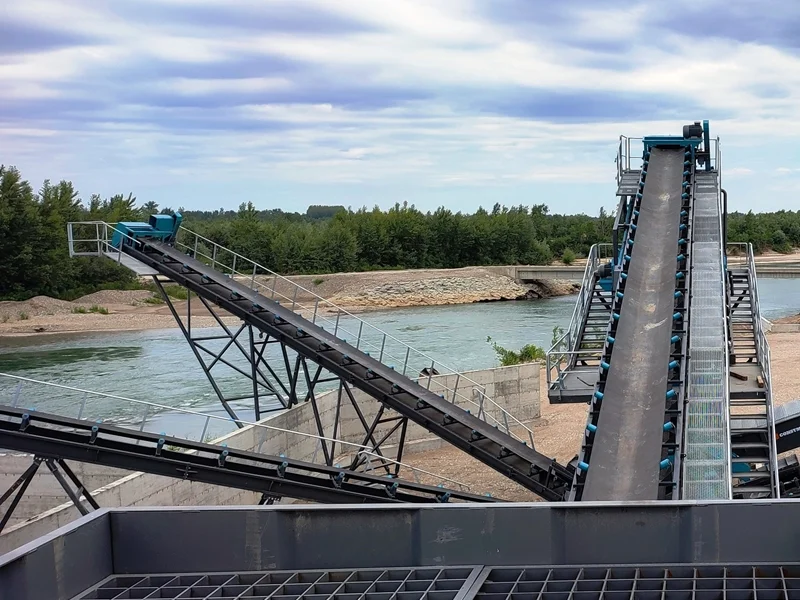
- Belt conveyors (CBC) carry material between the machines and out to stockpiles, in a range of belt widths to match the throughput.
- Hydraulic hammer breakers deal with oversize rock that bridges the crusher inlet, breaking it so it can be fed.
Each of these is sized to the plant. A feeder and screen that cannot keep up will throttle the crushers, so the auxiliary equipment is matched to the crushing capacity, not added as an afterthought.
Stationary and Mobile Crushing Plants
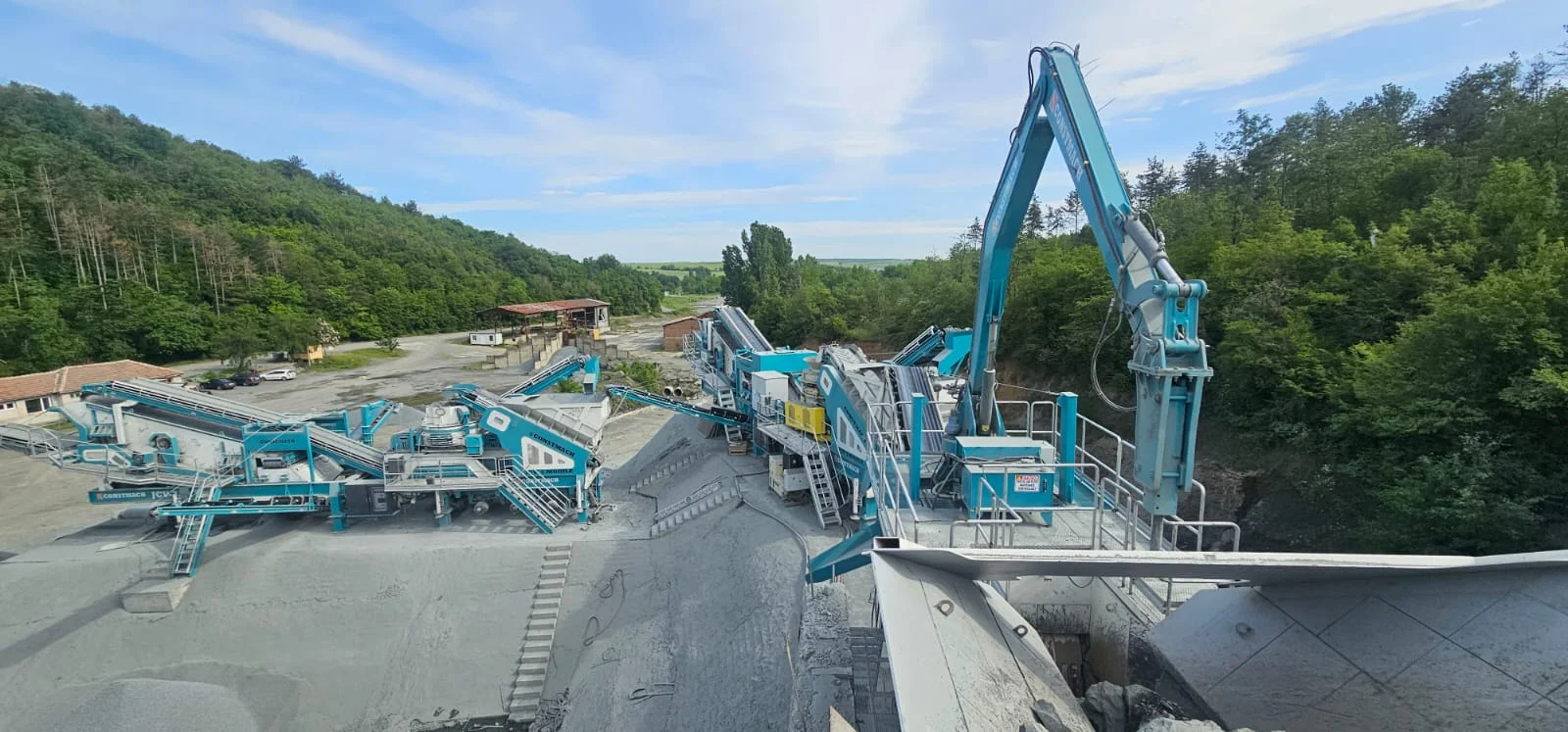
Constmach builds crushing and screening plants in both stationary and mobile forms. A stationary crushing plant is a fixed installation engineered for a quarry or a long-running site, built for the highest sustained output and the widest product range. A mobile crushing plant is mounted on tracks or a chassis and can move around a site or between sites, which suits contractors, shorter projects and operations that follow the work. Constmach groups its mobile crushing plants into hard-stone crushers, jaw-and-impact crushers, limestone crushers and sand-making plants, each built for a particular duty. The choice between stationary and mobile follows the same logic as elsewhere: permanence and output against portability.
Capacity and Configuring a Plant
Constmach crushing and screening plants cover a wide capacity span, from around 50 t/h on a compact line up to 1,000 t/h on a large stationary installation. The capacity, and the whole configuration, is set by four main things: the production rate required; the type, hardness and abrasiveness of the feed rock; the maximum size of the feed; and the number and sizes of the final product fractions you need to make. Constmach application engineering confirms the feed material, whether limestone, granite, basalt, dolomite or mining ore, and selects the crusher types and the stages accordingly. Because hard, abrasive rock and softer limestone call for different machines, getting the configuration right at the start is what makes a plant productive and economical to run.
Matching the Plant to Your Rock
The single most important factor in a crushing plant is the rock. Hard, abrasive stone such as granite and basalt wears compression machines less than impact ones, so it is usually crushed by a jaw crusher in the primary stage, with cone or impact and a VSI downstream. Softer, less abrasive rock such as limestone suits impact crushers, which give a high reduction ratio and a cubical product and can sometimes do in two stages what harder rock needs three for. Feeding the wrong crusher type to the wrong rock leads to fast wear and poor product, so Constmach selects the machines around the feed. Telling the engineers exactly what you are crushing is the most useful thing you can do when specifying a plant.
Quality and Reliability Features
A crushing plant runs in dust, vibration and heavy load, so reliability is built in. Constmach plants are fitted with automatic lubrication systems that keep bearings greased without manual rounds, metal detectors that stop tramp metal from reaching and damaging a crusher, and bearing temperature measurement that warns of a problem before it becomes a failure. These features cut unplanned downtime and protect the machines, which matters on a plant where a single stoppage holds up the whole line. Wear parts, jaw plates, blow bars, breaker plates and screen meshes, are treated as planned replacements, and keeping a stock of them turns a wear change into a scheduled job.
Materials Processed and Applications
Constmach crushing and screening plants process the full range of quarried and mined rock: limestone, granite, basalt, dolomite, river gravel and mining ore among them. The graded aggregate they produce feeds the construction economy, as coarse and fine aggregate for concrete, as the graded stone and sand for asphalt, as road base and sub-base, and as material for railway ballast and general fill. Quarries, aggregate producers, ready-mix and asphalt operations, mines and large civil contractors all rely on crushing and screening plants to turn raw rock into the sized products their work needs. Manufactured sand from a VSI is increasingly important where natural sand is scarce or restricted.
Washing the Aggregate
Where the rock carries clay, silt or fine contamination, the aggregate may need washing as well as crushing and screening. Constmach supplies washing equipment, including spiral and wheel sand washers, dewatering screens and hydrocyclones, that can be added to a crushing and screening line to clean the product and recover fine sand. Washing matters most for material destined for quality concrete, where excess fines and clay weaken the mix. The washing system is sized and arranged to suit the crushing plant and the cleanliness the product needs.
Automation and Control
A crushing and screening plant runs as a coordinated line, so it is managed from a control system that starts and stops the machines in the right order and keeps them working together. Sequenced start-up brings the conveyors up before the crushers feed onto them, and interlocks stop a machine if the one downstream of it halts, which prevents material piling up where it cannot move. The control system also brings together the plant's protection features, the metal detectors, the bearing temperature readings and the lubrication monitoring, so the operator sees the state of the whole line from one place. On a plant where the machines depend on each other, that coordinated control is what keeps the line running smoothly and safely.
Common Mistakes to Avoid When Specifying a Plant
The first mistake is specifying a plant without pinning down the rock, since the feed material decides the crusher types; a plant built for limestone will wear out fast on granite. The second is sizing the crushers without sizing the feeders, screens and conveyors to match, so the auxiliary equipment throttles the line below the crushers' capacity. The third is under-providing screening, which leaves the plant unable to make the product sizes the market wants. The fourth is ignoring wear-part supply and the cost of wear, which on abrasive rock is a real part of the running cost. Configuring the whole line around the rock, the capacity and the products avoids all four.
How to Specify the Right Crushing and Screening Plant
A few questions shape the plant:
- What rock are you crushing? Its hardness and abrasiveness decide the crusher types and the number of stages.
- What capacity do you need? From around 50 t/h to 1,000 t/h, the plant is sized to your production rate.
- What products must it make? The number and sizes of final fractions set the screening and the stages.
- Stationary or mobile? Fixed high output, or portability to follow the work.
Answering these lets Constmach engineer a plant around your rock, your output and your products rather than offering a fixed package. The crushers, feeders, screens and conveyors are selected and arranged as one line, built in-house and supported with wear parts and technical help through its working life.