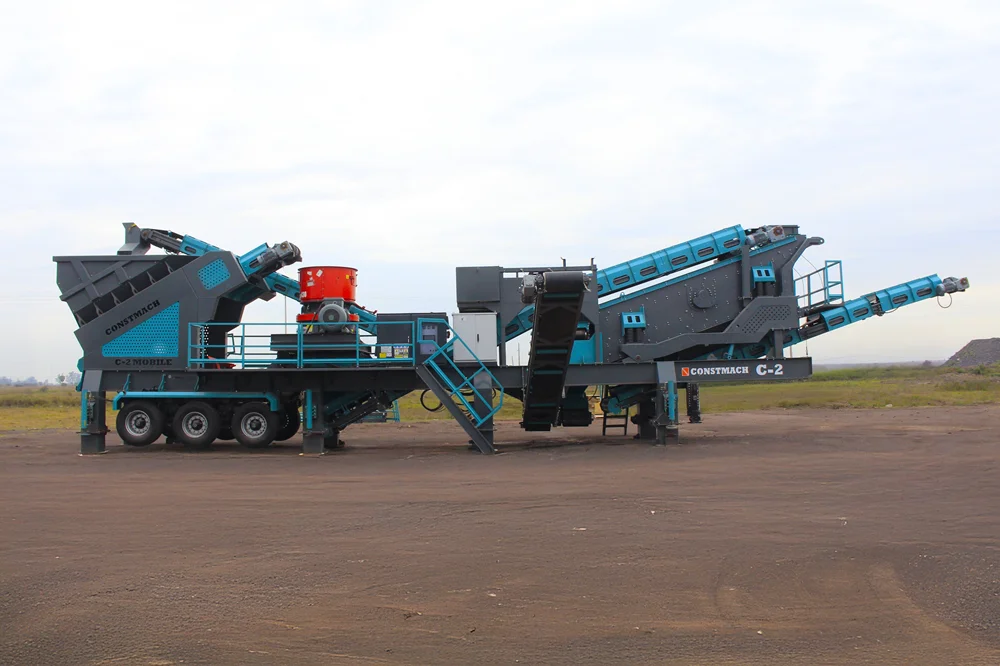






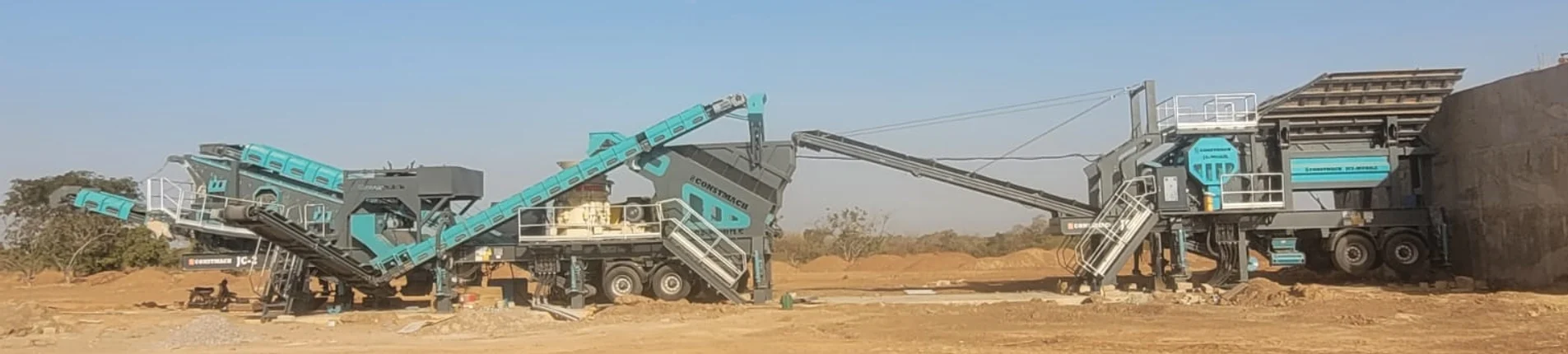

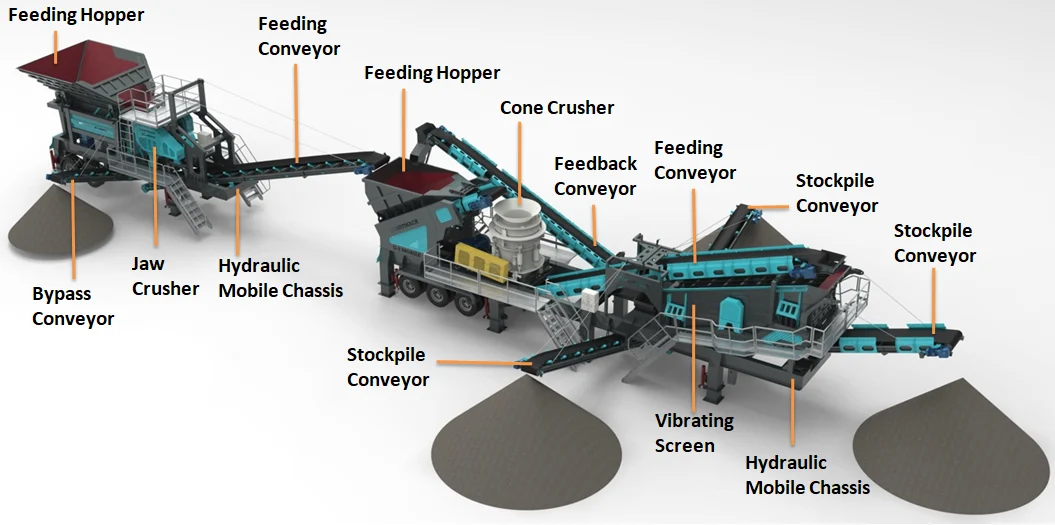
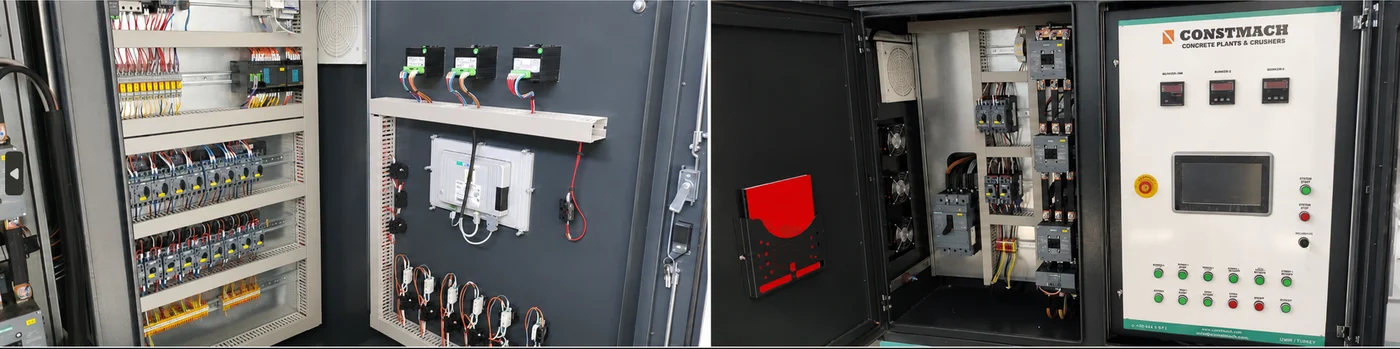
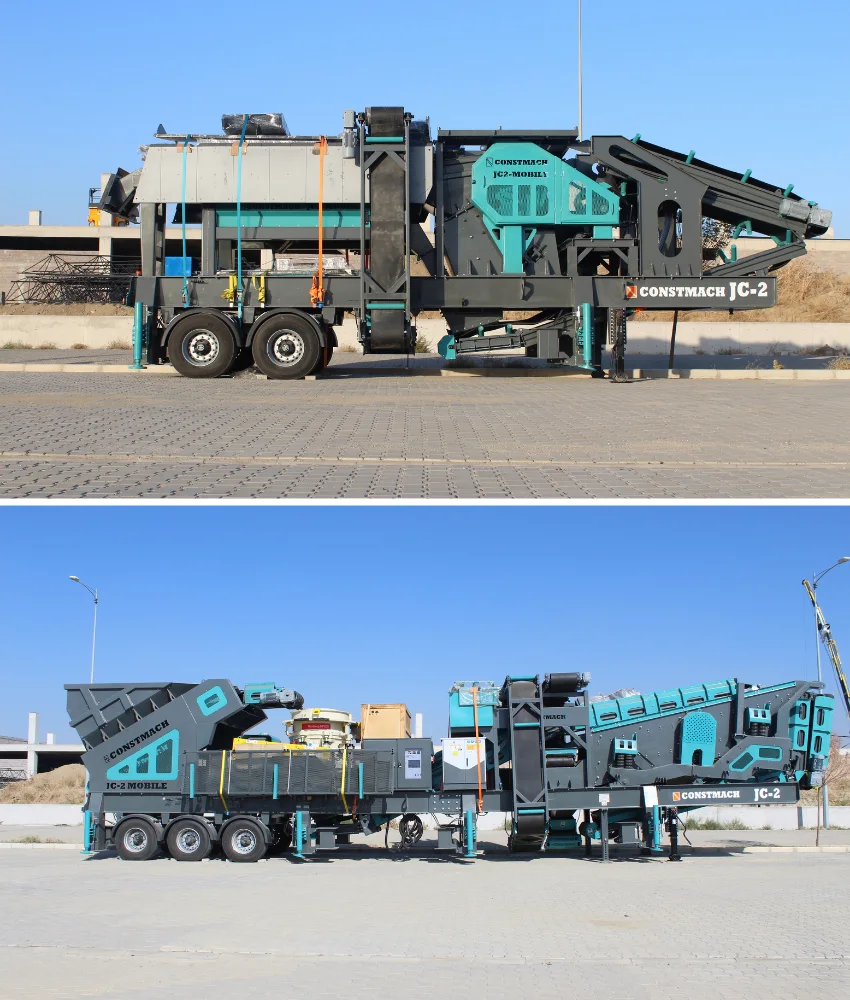
The JC-1 Mobile Crushing Plant is a wheeled, two-chassis hard stone crushing and screening plant that combines a CJC-60 primary jaw crusher, a secondary cone crusher and a vibrating screen. The notes below summarise the materials it handles, the products it makes, where it is used, and how it compares with alternative arrangements.
What materials can the JC-1 process?
The plant is configured for hard, abrasive, high-silica rock and for general aggregate feedstocks. Typical materials include:
- Granite
- Basalt
- Gabbro
- River stone and river gravel
- Other competent quarried hard stone
What products does it make?
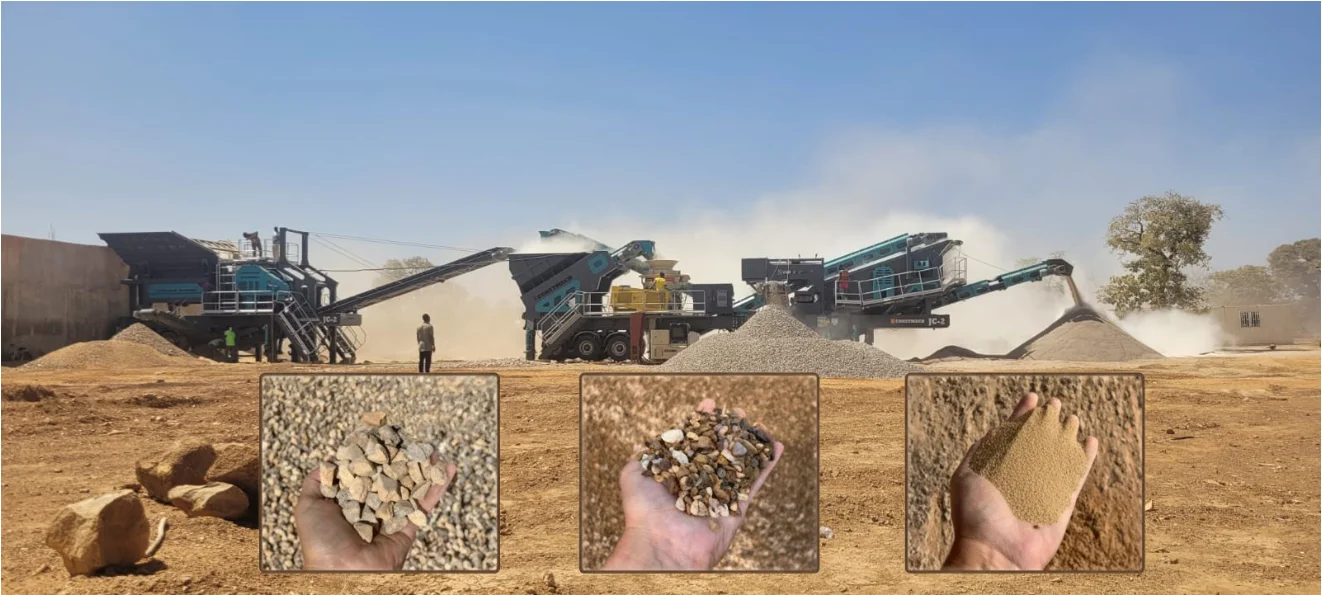
The combination of jaw, cone and a three-deck screen produces sized aggregate. Because the screen separates the crushed material into several streams, three or four different fractions can be produced at the same time, with oversize returned to the cone crusher for further reduction in closed circuit.
Which industries and applications use it?
- Aggregate production for concrete and asphalt
- Road, highway and infrastructure construction
- Quarrying of hard stone
- Mining and mineral processing support
- Contractors needing crushing capacity at changing job sites
Mobile versus stationary: what is the trade-off?
A mobile plant such as the JC-1 can be relocated and set up quickly on hydraulic legs without permanent foundations, which suits shorter projects and sites that move. A stationary plant of comparable capacity generally offers higher sustained throughput and more configuration flexibility but requires civil works and is fixed in place. The JC-1 favours mobility and fast deployment.
What are the main wear parts and maintenance points?
The principal wear items are the fixed and moving jaw plates and cheek plates in the jaw crusher, and the mantle and concave liners in the cone crusher. Conveyor belts, screen media and feeder liners also wear over time. Service life depends on the abrasiveness and silica content of the feed; harder, high-silica rock such as granite shortens liner life relative to softer stone.
How does it compare with alternative plants?
The JC series pairs a jaw with a cone crusher, which is well matched to very hard, abrasive rock where a cone gives long liner life on the secondary stage. CONSTMACH's JCV series adds a vertical shaft impactor as a third stage to improve cubicity, while jaw-and-impact mobile plants use an impact crusher instead of a cone and are generally aimed at softer, less abrasive material such as limestone.
How does it integrate into a complete plant?
The JC-1 is largely self-contained: feeder, jaw, cone, screen and conveyors travel on two chassis and operate as a closed-circuit unit. It can run as a stand-alone two-stage plant or feed downstream equipment such as additional screening or washing where finer classification or clean aggregate is required.