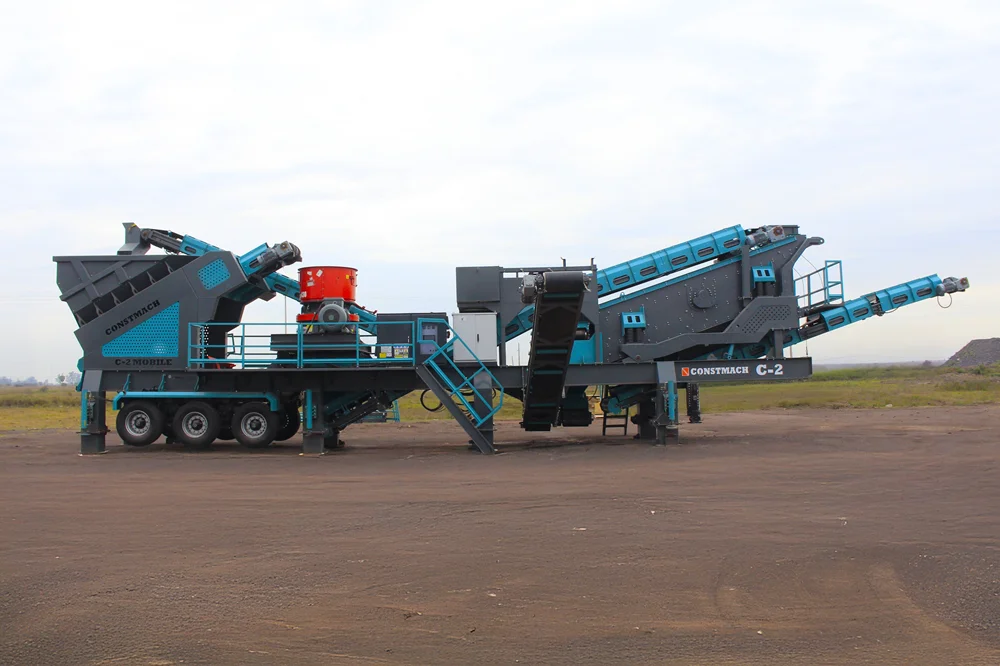








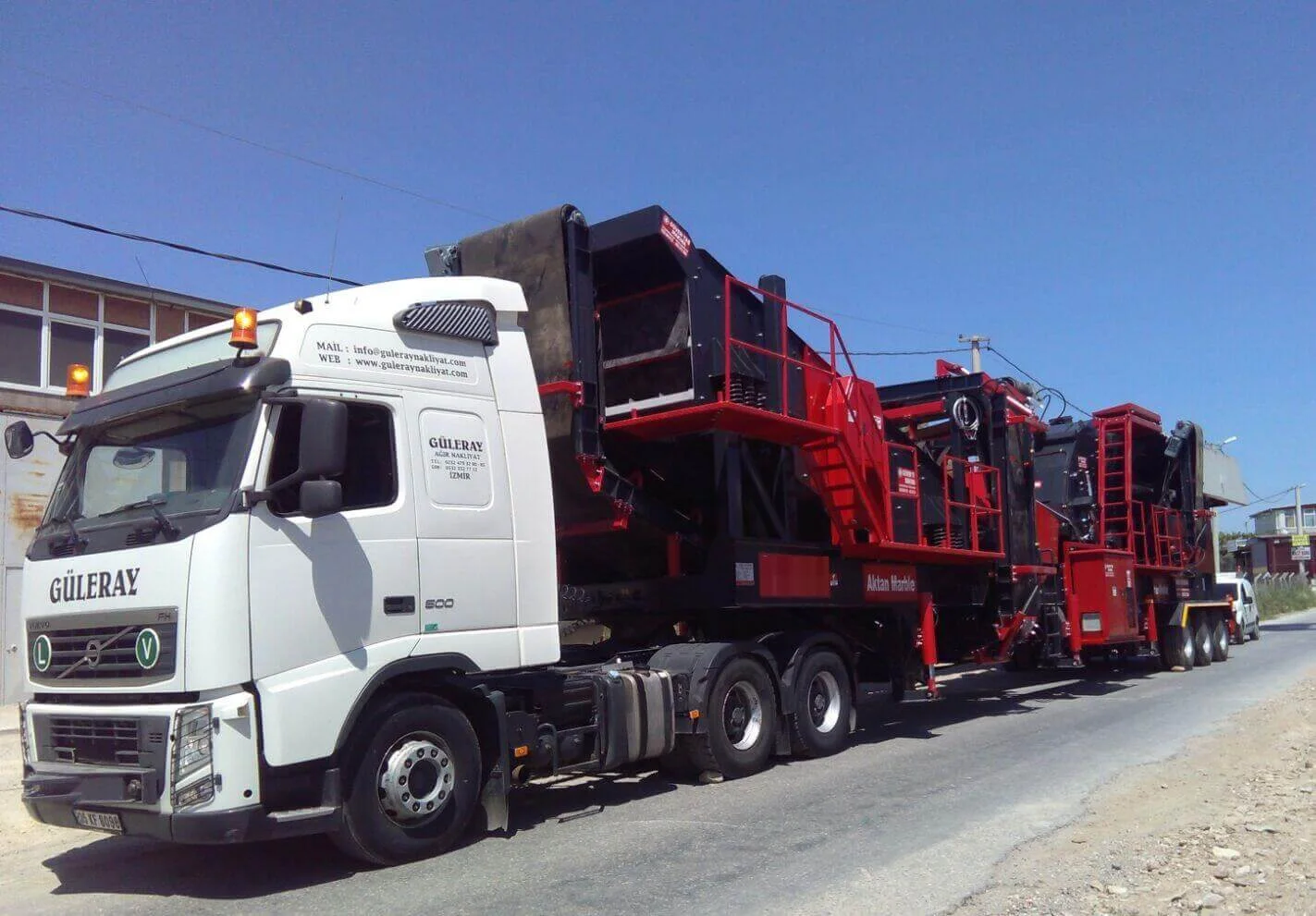
The PI-2 Mobile Limestone Crusher is the larger wheel-mounted primary impact crushing and screening plant in the CONSTMACH PI series, intended for limestone and other low-abrasion stones. The sections below cover what it does, the materials and feed sizes it handles, where it sits in the line, why impact crushing suits limestone, its wear parts and maintenance, and how it compares to the PI-1 and to jaw-based plants.
What does the PI-2 do?
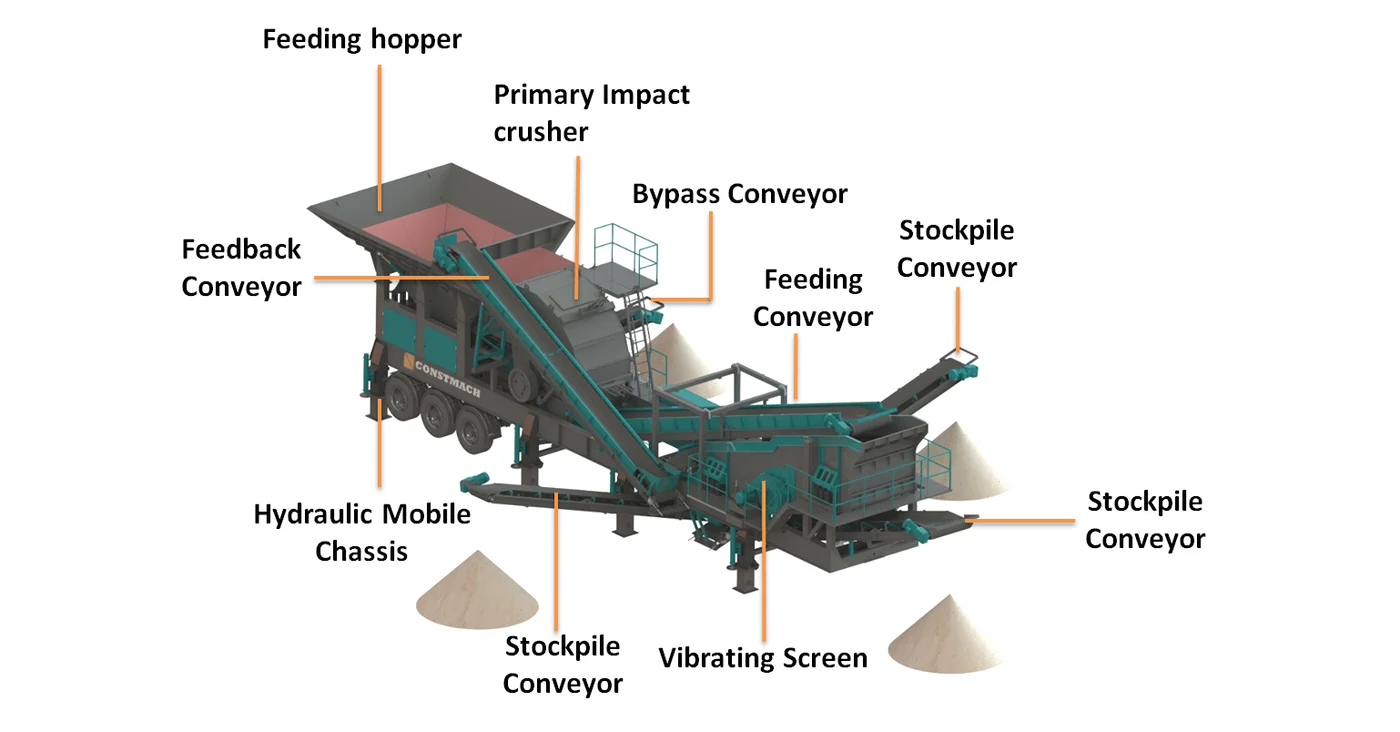
The PI-2 integrates feeding, primary impact crushing and vibrating-screen classification on a single mobile chassis. It receives run-of-quarry stone, reduces it in a horizontal-shaft impact crusher, and screens the crushed material into finished fractions, producing three or four different products at the same time.
What materials and feed sizes is it designed for?
- Designed for materials with a low grade of hardness and abrasiveness, such as limestone.
- Maximum feeding size of 1,000 x 1,000 mm.
- Stated production capacity of 250-300 t/h, depending on the hardness of the feed.
Where does it fit in the crushing line?
It serves as the primary station at the front of the line, working directly at the face. With feeding, crushing and screening combined on one mobile unit, the PI-2 can produce saleable fractions independently or feed material on to further crushing and screening stages.
Why is impact crushing suited to limestone, and what about wear?
Impact crushers reduce stone by striking it with rotor blow bars and throwing it against impact aprons, giving a high reduction ratio and a cubical, fines-rich product favoured for limestone aggregate. Because blow bars and aprons are wear-exposed, abrasive high-silica feed wears them rapidly, which is why impact plants like the PI-2 are matched to low-abrasion stone rather than hard, abrasive rock.
What are the main wear parts and maintenance points?
- Rotor blow bars and the impact aprons in the crushing chamber are the principal wear parts and require periodic inspection and replacement.
- Vibrating screen media and feeder liners are also subject to wear.
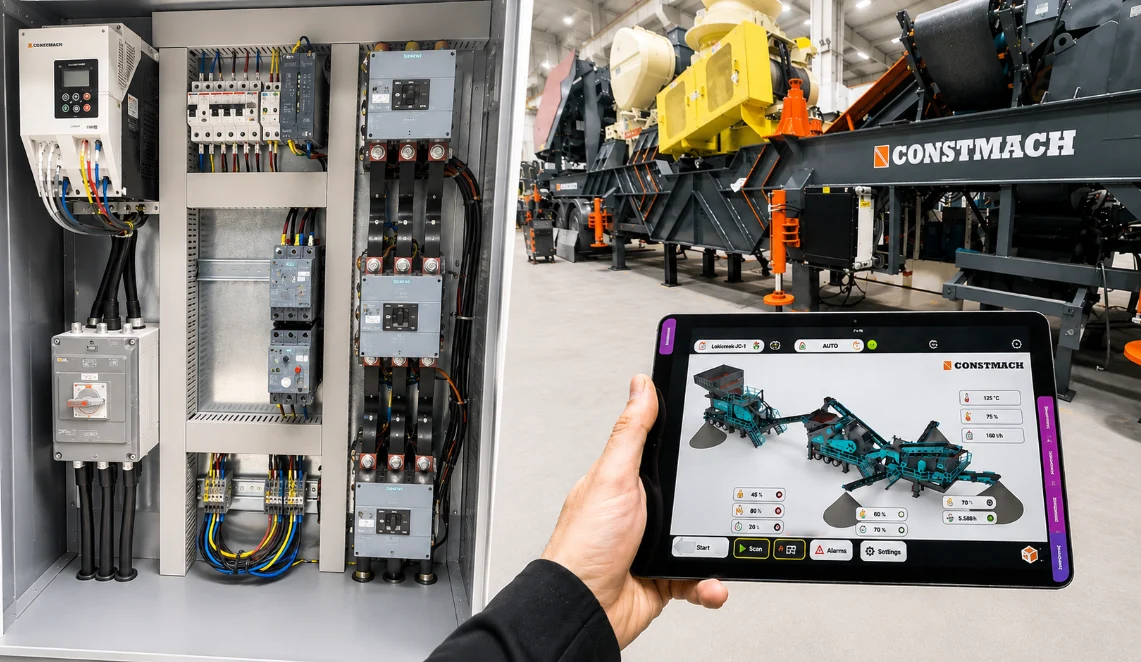
- The SIEMENS/SCHNEIDER automation and PLC, controlled by tablet, support monitoring of the crushing and screening process.
How does the PI-2 compare to the PI-1 and to jaw-based plants?
The PI-2 is the larger plant in the series, with higher capacity (250-300 t/h), a larger feed opening (1,000 x 1,000 mm) and greater installed power (400 kW) than the PI-1. Against a jaw-based primary plant, the impact-based PI-2 provides a higher reduction ratio and a more cubical product in one stage and suits low-abrasion limestone, whereas a jaw crusher is generally preferred for harder, more abrasive rock.